In a groundbreaking advancement at the intersection of sustainability, engineering, and humanitarian aid, Japanese scientists have developed a remarkable material known as edible cement. Made from recycled food waste, this revolutionary compound can revolutionize how we approach temporary construction, especially in disaster stricken areas where people need shelter right away and resources are scarce.
It isn’t science fiction. Edible cement is a real functional material designed not only to reduce wastage but to serve a crucial role in makeshift shelters. With the climate crisis intensifying the frequency of natural disasters, the search for fast, safe, and eco-friendly construction alternatives has never been more urgent. The answer may lie in something as unexpected as food scraps.
What Is Edible Cement?
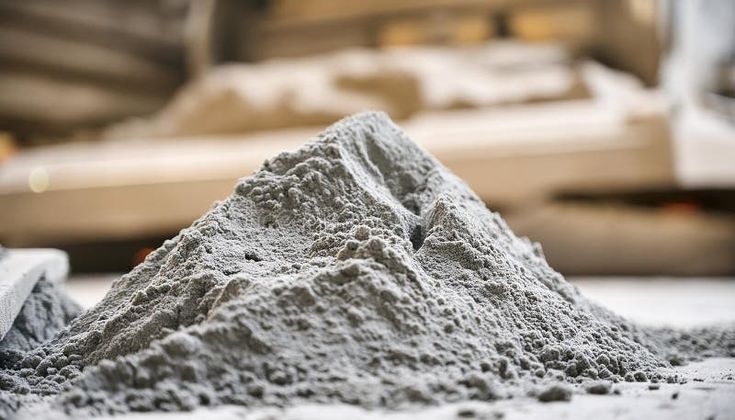
Edible cement is a biodegradable, nontoxic material produced from food wastes such as expired vegetables, fruit peels, and other organic leftovers Japan. Japanese researchers have discovered that certain of the components in food, such as starches, cellulose, and natural binders, can be converted into a cement-like substance when combined under specific heat and pressure conditions.
Unlike traditional cement, which has a high reliance on limestone and emits tons of carbon dioxide in the process of its production, edible cement is more environmentally friendly. In fact, it is a move toward a growing circular economy trend—recycling waste instead of generating waste. The resulting material is solid enough to be molded into slabs, bricks, and panels. Although it’s not suitable for permanent structures, edible cement would be ideal for temporary housing, especially in humanitarian crises, refugee camps, or areas hit by natural calamities.
The Science Behind the Innovation
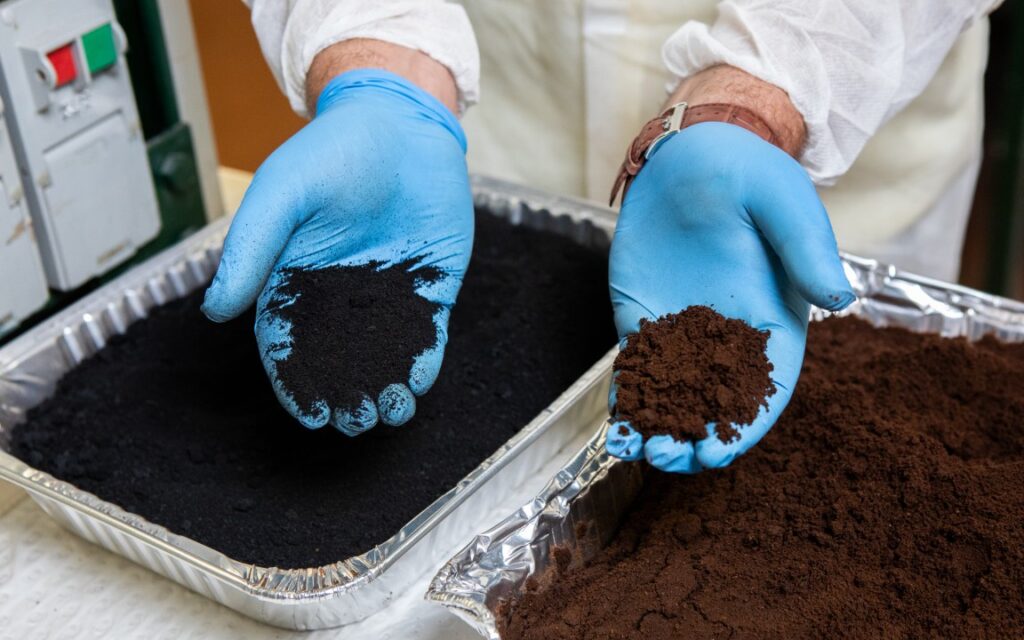
Researchers Yuya Sakai, an associate professor at the University of Tokyo’s Institute of Industrial Science, and his former student Kota Machida have developed a method to transform food waste into a durable, edible cement. Their process involves drying and compressing food scraps like banana peels, coffee grounds, and cabbage leaves to create a material that is four times stronger than traditional concrete.
This new substance will be utilized to construct emergency shelters and furniture, particularly where disaster occurs. During an emergency, the cement can be dissolved and consumed as food. To further commercialize, Machida established Fabula Inc., a startup company from Tokyo. Their work is focused on minimizing wastage of food as well as eco-friendly construction, offering a new solution to human and environmental problems.
One of the most important benefits of edible cement is its adaptability. Japanese researchers can alter the recipe as per the food waste readily available locally, hence being a variable recipe in different regions of the world. For example, in Southeast Asia, cassava starch and banana peels may be employed as key ingredients, while in Europe, vegetable pulp and stale bread might be easily available.
Applications in Disaster Relief
Following earthquakes, floods, and hurricanes, the requirement for emergency shelter is urgent. Building materials used in the past may be difficult to find or access, and there may not be much time to do so. That is where edible cement fills the gap. Lightweight and easy to assemble, edible cement buildings can be prefabricated and quickly transported to the disaster area. They require minimal tools to establish, making them extremely suitable for areas where access to skilled workers or machinery is not easy.
These shelters can serve as temporary residences, emergency medical facilities, or units for food and supplies. In some prototypes, even the panels are constructed to snap together like giant Lego pieces, so it is possible to deploy them in disaster zones rapidly. Interestingly, edible cement buildings have already been tested in the field under controlled conditions, and it is planned to introduce them in pilot programs through partnerships with international aid organizations.
Environmental and Social Benefits of Edible Cement
Apart from emergency disaster aid, edible cement is a goldmine of longer-term benefits. First of all, it assists in solving the giant problem of food waste in the world, which amounts to more than 1.3 billion tons annually. Recycling such waste as construction material saves us landfills, greenhouse gas emissions are saved, and less use of resource-intensive traditional cement is made. In third-world countries, where food wastage coexists with housing insecurity, this technology has the potential to transform communities. Local governments and NGOs can collaborate to reuse the waste, produce edible cement locally, and generate employment in the process.
Additionally, as raw materials are cheap, the employment of edible cement in construction can be significantly cheaper than conventional building materials. As such, it may be an attractive option not just for temporary shelter, but even for low-cost housing schemes in poor communities.
Challenges and Considerations of Edible Cement
Promising as it is, edible cement is far from problem-free. Its durability, sufficient for temporary usage, is shorter than that of traditional cement and therefore unsuitable for permanent constructions or heavy buildings. It also must be stored with caution, lest it go bad prematurely, especially in humid or wet environments.
There are also regulatory obstacles. Since the material contains food-based components, concerns about hygiene, pest control, and food safety are involved. While it’s designed to be biodegradable and, in extreme cases, edible, developers maintain that its structural purpose is not nutritional. Scalability is the second problem. Edible cement on a large manufacturing scale requires continuous sources of clean, undiluted food waste and processing facilities capable of managing the conversion efficiently. But with the right infrastructure, this can be circumvented.
Global Implications
The invention of edible cement is a move towards redefining construction in the midst of crisis. It is one of the many ways in which science and sustainability could come together to create solutions that are not only innovative but also humane. At a time when the world is facing compounding crises—climate change, food shortages, and housing crises—this new material offers a much-welcomed win-win.
Countries prone to natural disasters can invest in the production centers of edible cement so that they are ready with the next disaster. Relief agencies are also exploring how to include it in their portfolio for rapid response. It also opens up the possibility of further research into alternative construction materials from unusual sources. If food waste can be used to make cement, what other byproducts can be used to create sustainable infrastructure?
Edible cement sounds like a strange-sounding gadget, but it is a great display of creative problem-solving during the midst of world crises. In producing something functional and green from waste food, Japanese scientists have authored a new chapter in disaster relief and sustainable design. As this technology continues to grow and spread, it can change how we approach food and shelter, turning yesterday’s trash into tomorrow’s security. Whether a shelter for a displaced family or a rapid deployment medical clinic in a region struck by disaster, edible cement is demonstrating to us that even our trash can be utilized in creating a better tomorrow.
Read More: Japans Golden Chamber helps scientists unlock secrets of the universe
Leave a Reply