Japan’s work culture is renowned for its strict structure, hierarchical nature, and dedication to professionalism. However, it’s also infamous for its overworking culture, with terms like karoshi (death from overwork) highlighting the darker side of this dedication. While not all Japanese companies are exploitative, understanding the challenges and identifying potential red flags is crucial for job seekers. This article explores the complexities of the Japanese work environment, the risks of overworking, and how to spot warning signs in job advertisements to make informed career choices.
Complex Rules in the Japanese Work Environment
Japanese workplaces are often characterized by their rigid adherence to hierarchy, tradition, and rules. This can create a highly structured environment but also lead to inefficiencies. For example, many companies obsess over formality and specific formats, requiring employees to use particular apps or templates even when simpler solutions exist. Tasks that could be completed quickly may involve multiple files, approvals, or steps, slowing down productivity. While these practices reflect Japan’s emphasis on precision and order, they can also frustrate employees and hinder innovation. Simplifying processes and embracing flexibility could significantly improve workplace efficiency and morale.
How to Avoid Overworking in Japan
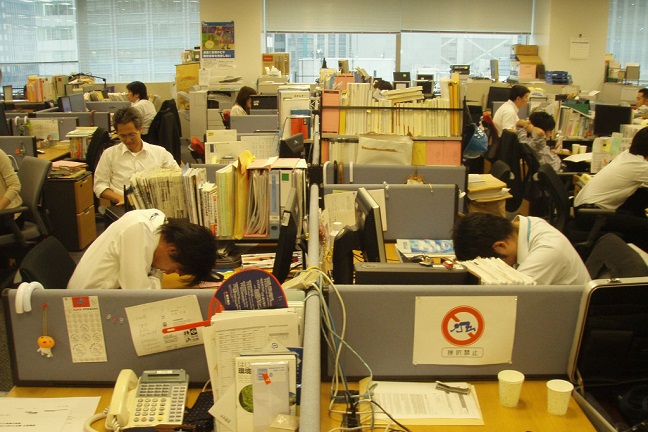
Overworking is a pervasive issue in Japan, with long hours and high stress contributing to health problems and even fatalities. The term karoshi underscores the severity of this problem. To avoid falling into an overwork trap, job seekers must carefully scrutinize job advertisements and company policies. Look for clear indications of work-life balance, such as reasonable working hours and adequate vacation time. Be wary of companies that glorify overtime or emphasize loyalty over well-being. Understanding these dynamics can help you choose a workplace that values your health and productivity.
Decoding Job Advertisements: Red Flags for Black Companies
Job advertisements can reveal a lot about a company’s work culture. Here are some red flags to watch out for:
- 裁量労働制 (Discretionary labor system): No overtime pay, meaning you could work long hours without compensation.
- みなし残業代 (Deemed overtime payments): Overtime is included in your salary, often leading to unpaid extra hours.
- 未経験者歓迎 (Inexperienced welcome): Indicates a low-skill, high-turnover job with little training or support.
- 学歴不問 (No academic background required): Suggests a harsh work environment with low barriers to entry.
- すぐに働けます (Immediate start): The company may be in crisis mode, signaling poor planning or high turnover.
- アットホームな雰囲気 (At-home atmosphere): Often means a lack of structure, which can lead to exploitation.
- 20代が活躍中 (Young workforce): High employee turnover, indicating burnout or dissatisfaction.
- 年間休日105日以下 (Less than 105 days off): Poor work-life balance, with limited time for rest.
- Consulting/Solution Sales Rep: Could involve aggressive sales tactics or exploitative practices.
These phrases often signal a black company—a term used in Japan to describe exploitative employers. Recognizing these keywords can help you avoid toxic workplaces.
Writer’s Thought
Japan’s work culture is a blend of tradition, discipline, and innovation, but it also comes with challenges like rigid rules and overworking. For job seekers, understanding these dynamics and identifying red flags in job advertisements is essential to finding a healthy and rewarding workplace. Always research companies thoroughly, read employee reviews, and trust your instincts. While black companies exist, there are also many supportive and progressive workplaces in Japan. With careful research and awareness, you can find a job that aligns with your values and well-being.
Which of these red flags have you encountered, and how did you navigate them? Share your experiences and tips in the comments below!
Leave a Reply