Japan is known for its rich history, cultural heritage, and breathtaking landscapes. Among its many hidden gems lies Hashima Island, an abandoned yet mesmerizing island that tells a story of rapid industrial growth, human resilience, and eventual decline. Often referred to as Gunkanjima or “Battleship Island” due to its unique shape, Hashima Island is a fascinating destination for history buffs, urban explorers, and adventure seekers alike.
The Rise of Hashima Island
Located approximately 15 kilometers from Nagasaki, Hashima Island was once a thriving coal mining facility. The island’s transformation began in 1887 when Mitsubishi acquired it and started extracting undersea coal reserves. The success of coal mining led to the rapid development of infrastructure, making Hashima Island one of the most densely populated places on Earth during its peak in the 1950s.
At its height, over 5,000 residents lived on the small 16-acre island, including miners and their families. To accommodate the growing population, multi-story apartment complexes, schools, hospitals, and entertainment facilities were built, making Hashima Island a self-sufficient mini-city. The island had everything a community needed: a cinema, a swimming pool, rooftop gardens, and even a Pachinko parlor. Life on Hashima Island was unlike anywhere else, as people lived in an environment that was both isolated and incredibly advanced for its time.
Life on Hashima Island
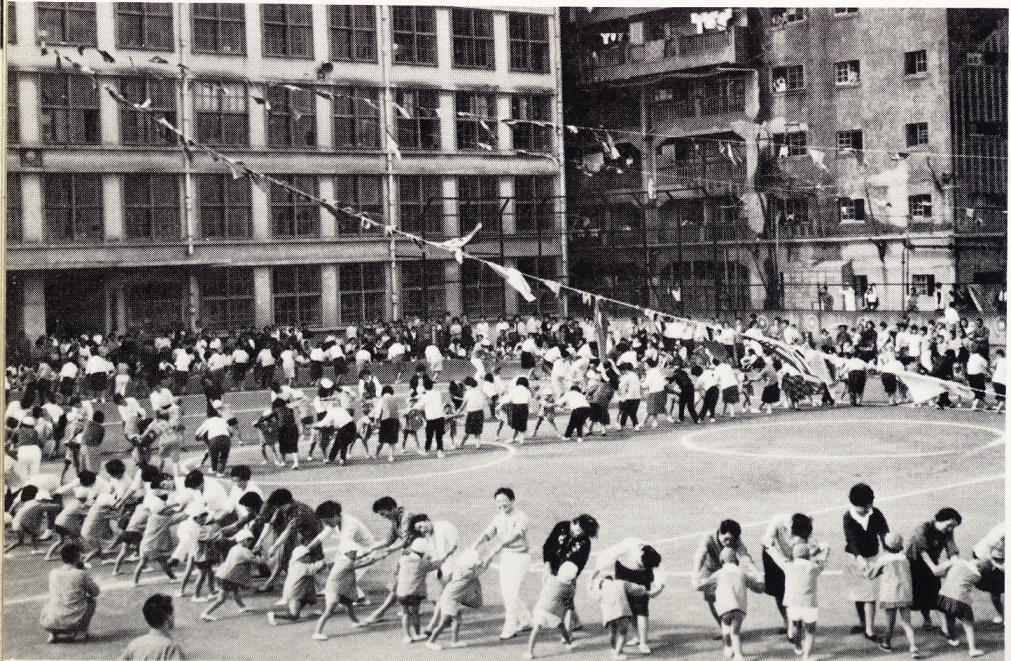
Despite the harsh working conditions in the coal mines, residents of Hashima Island created a unique, close-knit community. With space being limited, buildings were constructed tightly together, and people lived in cramped apartments. However, they adapted to the island lifestyle, and children would play on rooftops while families socialized in communal areas.
Schools on Hashima Island provided education for children, ensuring that the younger generation had opportunities despite being in a remote location. The island even had its own medical facilities, making healthcare accessible to its residents. Stores and restaurants catered to the workers and their families, giving Hashima Island an urban feel despite its small size.
The workers in the coal mines faced grueling conditions, working in extreme heat and dangerous environments. However, during its peak, mining was a lucrative industry, and many families were drawn to Hashima Island because of the financial stability it offered.
The Decline and Abandonment
With the rise of petroleum as Japan’s primary energy source, the demand for coal began to dwindle. The Japanese government shifted its focus away from coal mining, leading to the closure of numerous mines, including the one on Hashima Island. By 1974, Mitsubishi officially shut down operations, and Hashima Island was abandoned almost overnight.
Families, workers, and business owners left everything behind, turning the once-bustling island into an eerie ghost town. The sudden evacuation meant that furniture, books, appliances, and personal belongings were left untouched, frozen in time. The harsh weather conditions and decades of neglect caused the buildings to deteriorate, giving Hashima Island its hauntingly beautiful ruins.
Don’t Miss: Japanese Man Travelled 7000km to Write Marry Me on Google Maps
Exploring the Ghost Island
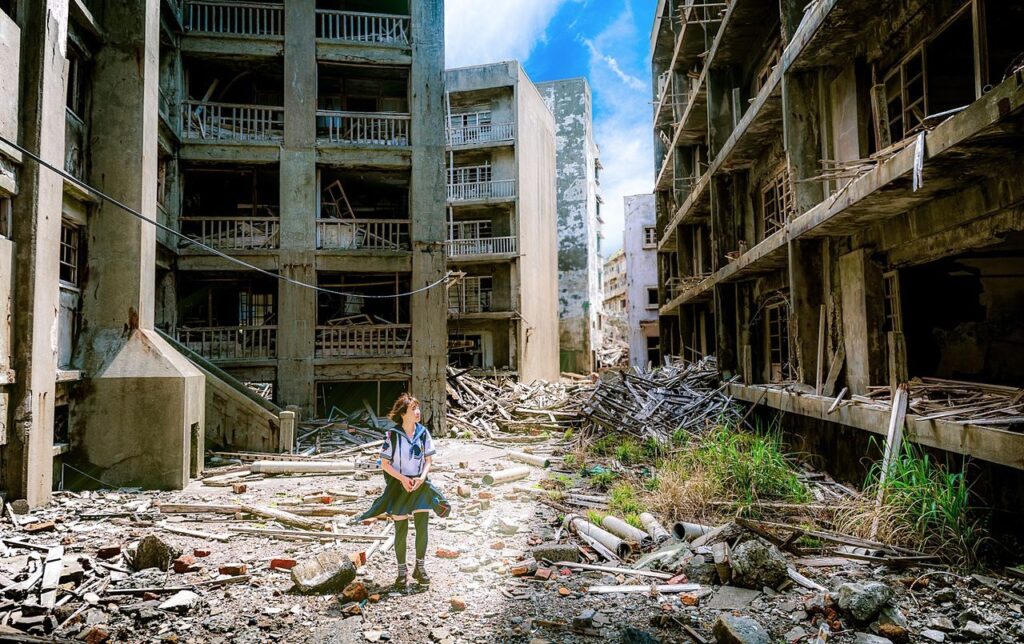
For years, Hashima Island remained off-limits to the public due to safety concerns. However, in 2009, the Japanese government opened a designated portion of the island for guided tours. Today, tourists can walk along designated paths, witnessing the crumbling apartment blocks, rusting stairways, and remnants of everyday life left behind. The eerie silence and haunting atmosphere make Hashima Island a truly unique travel experience.
Captured in films and documentaries, photographers and filmmakers have been quite fascinated with the aging beauty of Hashima Island. The 2012 James Bond movie Skyfall even featured the island, therefore solidifying its ranking as a must see location. Its former vibrant activity sharply contrasts with its present state of collapse, making it a slightly eerie and well known place.
UNESCO Recognition and Preservation Efforts
Hashima Island was in 2015 designated a UNESCO World Heritage Site as one of the Sites of Japan’s Meiji Industrial Revolution, hence drawing attention to the historical significance of the island and inspiring more initiatives to maintain its ruins. Conservation efforts seek to stabilize important sites so that future generations can glean wisdom from the history of Hashima Island, even as nature reclaims the buildings.
Still, there are obstacles to conservation initiatives. Years of exposure to saltwater erosion, typhoons, and just wear have rendered many structures beyond repair. While also guaranteeing visitor safety, authorities are concentrating on preserving historically important areas of the island. Since the damage is so severe, full scale restoration is almost impossible, therefore the future of Hashima is still unknown.
The Dark History of Hashima Island
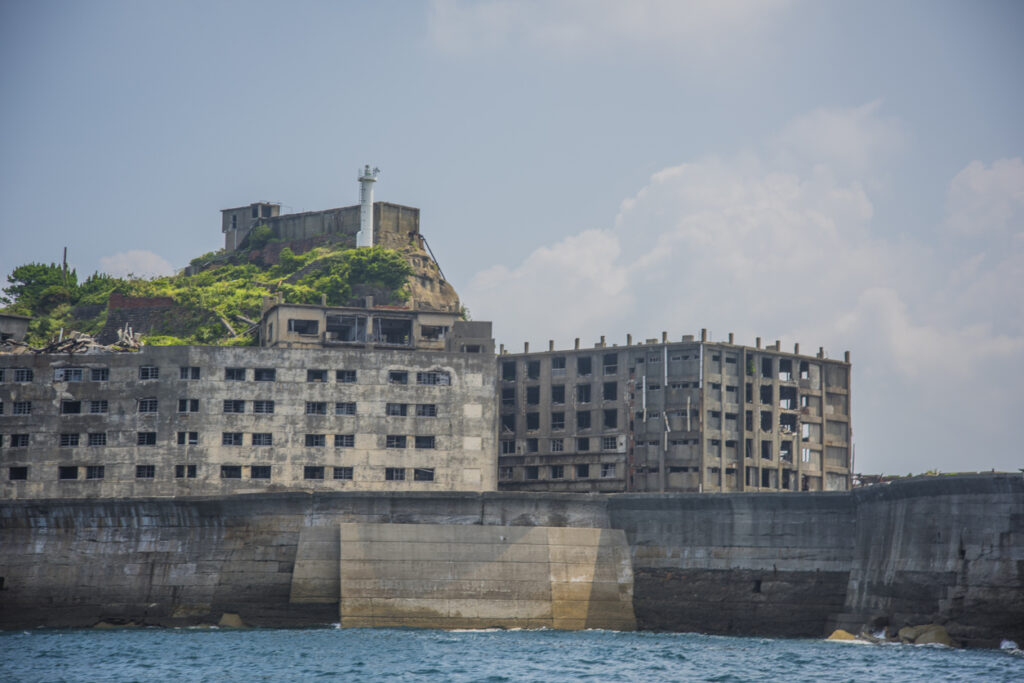
Despite its historical and architectural appeal, Hashima Island has a darker side. During World War II, forced laborers, including Koreans and Chinese, were brought to the island to work under harsh conditions. Many endured extreme hardships, leading to ongoing discussions about the ethical implications of promoting Hashima as a tourist attraction. These debates have fueled interest in uncovering the full history of the island and ensuring that all aspects of its past are acknowledged.
Japan has faced criticism for not fully addressing the experiences of forced laborers on Hashima Island. Some argue that the focus on its industrial heritage overshadows the suffering of those who worked there under brutal conditions. The controversy has sparked international discussions on how historical sites should be presented, balancing recognition of achievements with acknowledgment of past injustices.
Visiting Hashima Island Today
If you’re interested in visiting the Island, several tour operators in Nagasaki offer boat trips to the island. The tours provide historical context, allowing visitors to understand what life was like during its peak. Since only certain parts of the island are accessible for safety reasons, guided tours provide valuable insights into its history and significance. Due to the unpredictable sea conditions, trips may sometimes be canceled, so it’s best to check in advance and plan accordingly.
Visitors should be prepared for a surreal experience. The eerie silence, the crumbling concrete buildings, and the remnants of a once-thriving community all contribute to the island’s ghostly aura. Those who explore the Island often leave with a sense of awe, reflecting on the rapid rise and fall of an industrial powerhouse.
The Future of Hashima Island
While Hashima Island stands as a testament to Japan’s industrial past, its future remains uncertain. As nature continues to reclaim the land, efforts to balance preservation with safety concerns continue. Whether it remains a decaying relic or becomes further preserved for historical education, Hashima will always be a symbol of both human ingenuity and the impermanence of civilization.
Technological advancements in virtual reality and digital archiving may offer alternative ways to preserve Hashima’s legacy. Researchers have already begun creating 3D models and virtual tours to ensure that even if the physical structures disappear, the island’s history will not be forgotten.
Hashima Island is more than just an abandoned coal mine; it is a powerful reminder of the rise and fall of industrial progress. From its bustling past to its ghostly present, the island offers a compelling story that continues to attract global interest. Whether you are drawn to its haunting beauty, its historical significance, or its cinematic connections, Hashima Island is a place that leaves a lasting impression on all who visit.
Read More: The Dark History Of ‘Comfort Women’ During World War II
Leave a Reply