When the sun dips below the horizon and the sky turns to ink, something magical begins to happen along certain stretches of coastline in Japan. Waves begin to shimmer in electric blue, glowing with every ripple and crash. This isn’t a fantasy or special effects — it’s nature’s light show. Bioluminescent plankton—tiny marine organisms that give off an ethereal glow—are the source of the glowing beaches in Japan, producing an unusual and unforgettable nighttime spectacle.
What Makes These Beaches Glow?
One of the microscopic organisms called bioluminescent plankton that give Japan’s beaches their glowing appearance is Noctiluca scintillans, mostly referred to as “sea sparkle.” These plankton release a chemical reaction that generates light when they are disturbed by movement, such as crashing waves, swimming fish, or even a human touch. The end effect is an eerie neon-blue glow that appears to be pulsing with energy beneath the water’s surface.
The glow from these plankton feels more alive than that of artificial lights. It’s soft, organic, and fantastical. It can seem like entering a dream when strolling along the shore or observing the waves at these beaches.
Where to Find Glowing Beaches in Japan
Although bioluminescent plankton can occasionally be seen along the coast, there are some places where you’re more likely to see this amazing natural phenomenon. Japan’s most famous glowing beaches are as follows:
1. Okinawa Islands
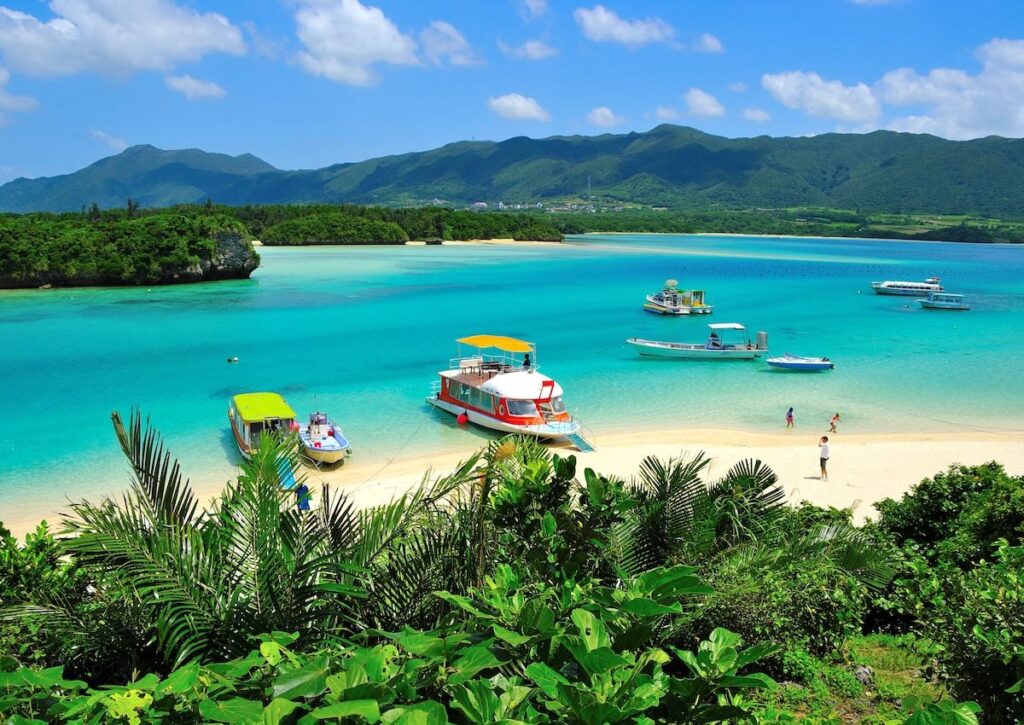
The warm, clear waters of Okinawa are one of the best places to witness bioluminescence in Japan. Tokashiki and Ishigaki Islands occasionally see the phenomenon during the summer months. Night snorkeling or kayaking tours are available, offering close encounters with the glowing sea.
2. Seto Inland Sea
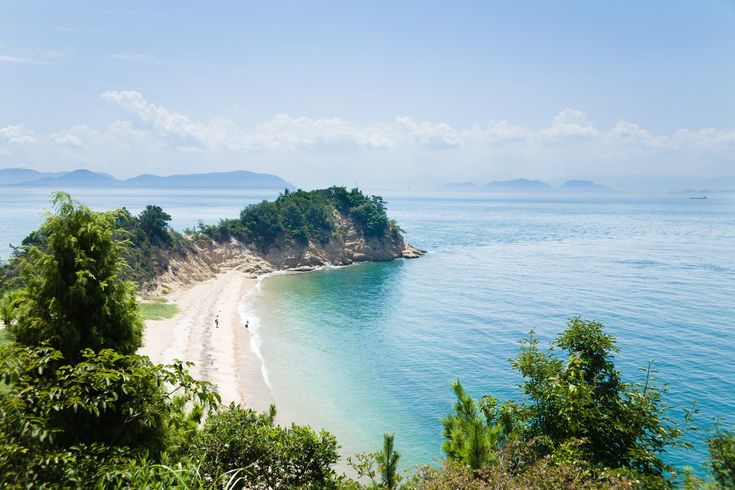
In areas like Okayama and Hiroshima, the calm waters of the Seto Inland Sea have reported plankton blooms that light up the tide. Though not as regular as Okinawa, the quieter beaches here can be stunning during a lucky night.
3. Toyama Bay (Firefly Squid)
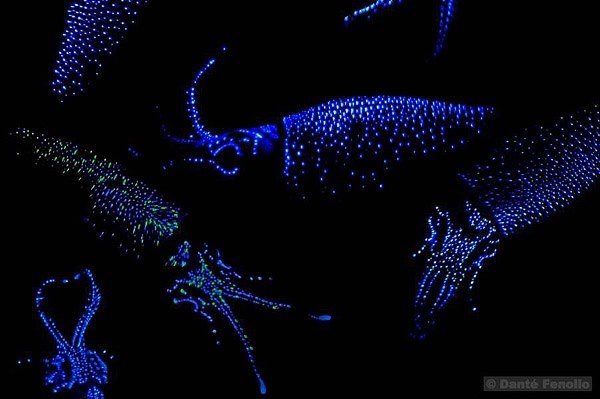
While technically not plankton, Toyama Bay is famous for its glowing firefly squid in spring. From March to June, thousands of these small cephalopods rise to the surface, creating glowing waters not unlike the plankton-rich glowing beaches in Japan.
Best Time to Visit
The glowing effect is most prominent during warmer months — typically late spring through early autumn — when water temperatures rise and plankton blooms are more frequent. Late at night on a moonless evening offers the best visibility for the glow. High tides and wave movement also enhance the effect, as more disturbance in the water triggers more glowing responses.
Bioluminescence is nature’s version of a light bulb — but with some clever biological chemistry. In the presence of oxygen, an enzyme known as luciferase combines with a substance known as luciferin to produce light. This reaction creates light without generating heat, making it incredibly efficient. In the case of Noctiluca scintillans, the glow is typically blue or green, which travels well through seawater.
Interestingly, scientists believe bioluminescent plankton use their light as a defense mechanism, startling predators or attracting larger predators to eat whatever is threatening them.
A Photographer’s Paradise
Professional and amateur photographers alike have come to love Japan’s glowing beaches. Beautiful pictures of blue-fringed waves rolling onto the shore or glowing trails behind swimmers can be seen in long-exposure photos.
But capturing this phenomenon is tricky. Conditions must be perfect — clear weather, minimal moonlight, active plankton blooms — and photographers must be patient and prepared to work in near darkness. Still, the reward is a photo that looks like it was taken in a fantasy world.
Responsible Viewing and Environmental Care
As word spreads about the glowing beaches in Japan, so does tourist interest. Respecting these delicate ecosystems is essential:
- Don’t collect plankton or disturb large areas of water unnecessarily.
- Avoid littering and keep light pollution to a minimum.
- Support eco-friendly tour operators who follow sustainable practices.
Keep in mind that the condition of the marine environment determines how beautiful these beaches are. By keeping it safe, we can be sure that future generations will be able to enjoy this natural wonder.
Local Experiences and Tours
In areas like Okinawa, guided tours are often available that help visitors experience glowing beaches in Japan in an ethical, safe, and informative way. Night kayaking under a bioluminescent sky is a favorite activity. Some tours even include clear-bottom kayaks that allow you to see the glow swirling beneath your feet as you paddle.
Local guides also provide cultural context, tying the natural phenomenon to ancient folklore and local myths. In Japanese tradition, glowing water has long been associated with spiritual presence — thought to be a sign of the sea’s mysterious life force.
Although there are bioluminescent beaches in the Maldives, Puerto Rico, and California, glowing beaches in Japan provide a special fusion of peace, culture, and unspoiled beauty. The contrast of futuristic glowing seas, tranquil Shinto shrines, and centuries-old fishing villages create a scene unlike any other place in the world.
In Japan, nature is often revered and spiritualized — and standing by a glowing shoreline here, it’s easy to understand why.
Planning Your Visit
Here are a few tips if you’re planning to see the glowing beaches in Japan:
- Stay overnight near remote coastal areas. Glowing plankton is best seen after 9 PM.
- Bring low-light gear if photographing, like a camera with long-exposure settings.
- Pack lightly and wear water-friendly footwear if walking along glowing shorelines.
- Check local forums or guides to see if glowing conditions are expected.
Apps and local news often report plankton blooms, helping travelers time their visit for the best chance of witnessing the glowing beaches in Japan.
A Hidden Light in Japan’s Coastal Night
The glowing beaches in Japan are a reminder that some of the world’s most breathtaking experiences happen when we slow down and let nature perform. Beneath the quiet stars, these shimmering waves bring together biology, beauty, and a touch of mystery in a truly unforgettable way.
Whether you’re a romantic, adventurer, photographer, or just an inquisitive tourist, seeing bioluminescent waves up close is an unforgettable experience. Although they may not be as well-known as Mount Fuji or the cherry blossoms, Japan’s glowing beaches are just as enchanted. Go beyond the cities and temples the next time you’re in Japan. See the sea light up as you wait for nightfall along the coast. You’ll discover that the ocean is more alive than you ever thought and that it has secrets.
Read More: Japanese Photographer Kimiko Nishimoto, Known as Selfie Grandma,” Dies at 97
Leave a Reply