The daily struggle for perfection – especially on social media with its perfectly curated feeds – it’s becoming harder than ever to just take a step back and enjoy the moment with the things we already have.
In the back of your mind, you know perfection is unattainable, yet the drive to be perfect – or at least to present yourself in a perfect way is very strong for a lot of people in these social-media heavy times. Aren’t the slight imperfections what really makes something or someone attractive, however? Those tiny, little je ne sais quoi aspects you can’t quite describe are actually what makes someone or something truly unique.
In Japan, there’s a term for this appreciation of the imperfections of life. It’s called Wabi-Sabi, and can be seen just about anywhere in Japanese life – if you know where to look. It encompasses everything from temple aesthetics, to pottery and everything in between.
Whether it’s the beauty of an old, rugged teacup giving you the best tea you’ve ever had, or a broken clay cup fixed with gold; the term can be applied to any situation where one truly appreciates the imperfect.
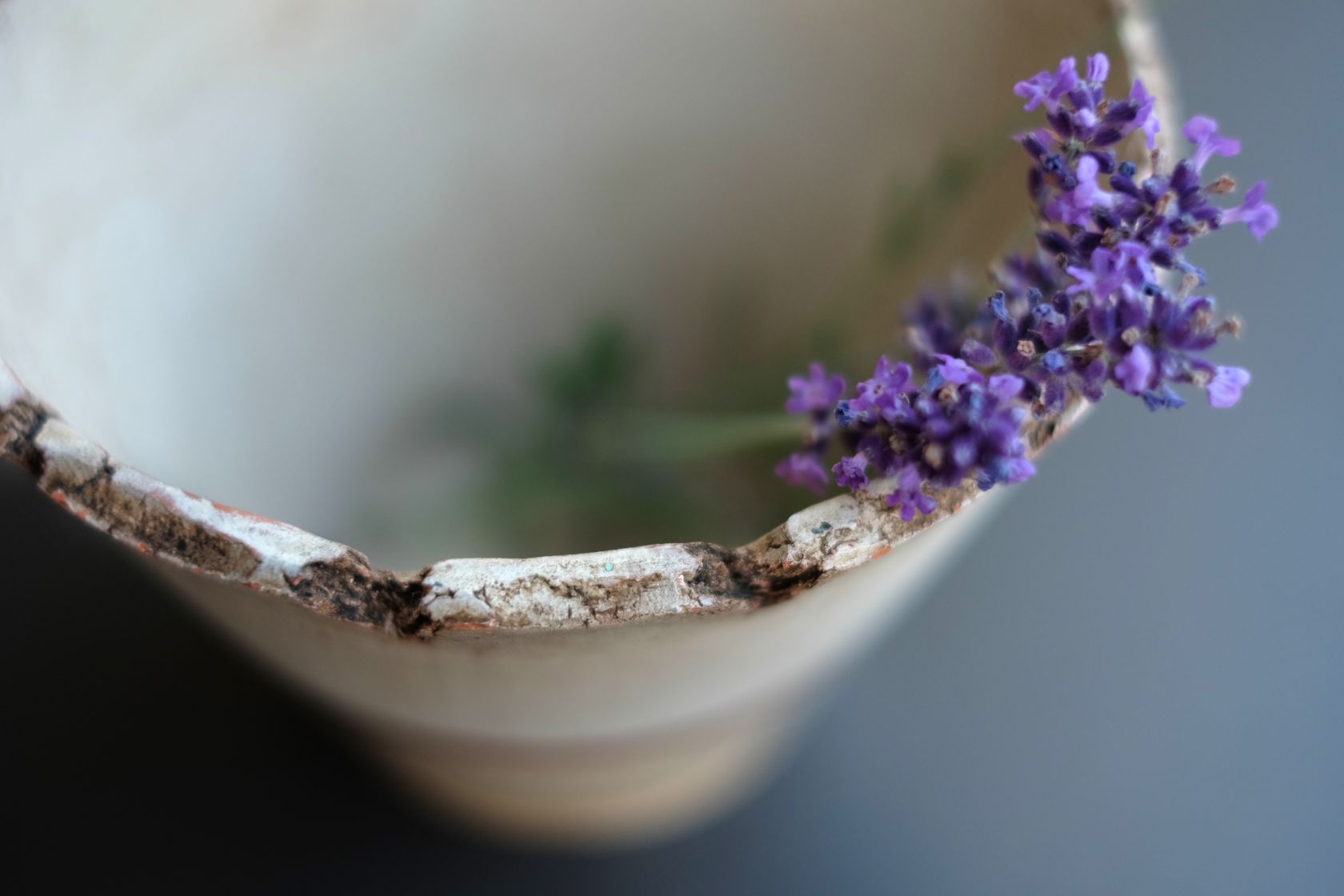 ©2019 Barbara Neider All Rights Reserved
History
Historically, Wabi and Sabi were two separate concepts entirely. Originally used to describe the loneliness of a reclusive life living out in nature, the term ‘Wabi’ (侘) became a way to express appreciation for the beauty in the elegance of humble, rustic simplicity. ‘Sabi’ (寂) was once a term to describe the way time affects deterioration. It could be the passing of seasons or aging pages of an antique book.
It’s the beauty of the impermanence of aging. Together these concepts harmonize to create a more overarching concept of appreciating the simple, yet impermanent states of life.
“THE JAPANESE VIEW OF LIFE EMBRACED A SIMPLE AESTHETIC THAT GREW STRONGER AS INESSENTIALS WERE ELIMINATED AND TRIMMED AWAY.” -TADAO ANDO (FAMOUS JAPANESE ARCHITECT)
Thought to be an ancient buddhist principle, the philosophy behind the term was (true to its definition) never written down on paper, and only passed along from teacher to student by word of mouth, thus the definition inevitably changed over time and became infused with individual interpretations, understandings, and influence.
Wabi-Sabi is a state of mindfulness, living in the now and finding satisfaction in our lives even when it’s so easy to fall into the trap of thinking the opposite. It’s embracing the simple things, and finding beauty in imperfection.
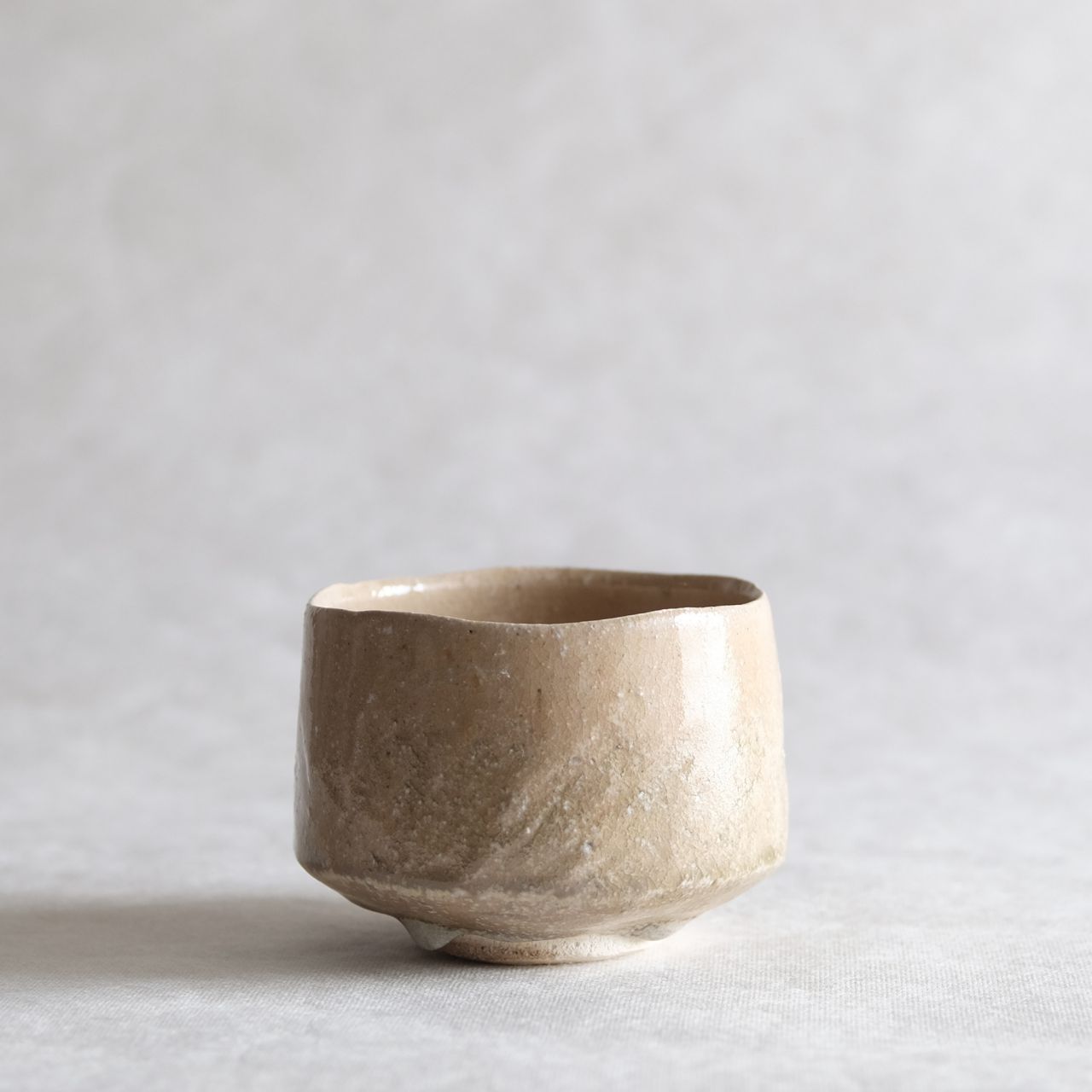 Kiseto Tea Bowl by Hitoshi Morimoto
The Philosophy can be traced back to the teachings of the “Three Marks of Existence”.
1.Embracing Impermanence:
The best example of the nature of impermanence is the cherry-blossom season, when the fleeting beauty of a fragile flower is celebrated and revered. Each tree is mesmerizingly beautiful, yet a simple gust of wind takes the flower petals from the trees, and creates a pink carpet to walk on, before the rain, or just the passing of time erases each flower petal from history until the next year.
2.Suffering:
A necessary part of life, suffering makes us realize that each moment of happiness comes as a result of previous struggles. Each struggle we face has the potential to lead us to grow as human beings and brings us a deeper understanding of and appreciation for the multifaceted nature of life.
3.Absence of self:
Being in a constant state of flux, we are not the exact same people we were even last year. Time and experiences change us in many subtle ways, and more often than not, we don’t notice the small, subtle changes we go through.
In the 14th Century, the connotations of Wabi-Sabi began to change. Gradually the perception of the reclusive hermit living out in nature was no longer a sad outcast, but a wise man freed from the trappings of an increasingly decorated and artificial Japanese society. The words drifted closer together until they became interchangeably combined. Wabi-sabi began to imply rustic simplicity in a positive light, highlighting the grace that comes with age and use.
Wabi-Sabi can be especially found in the simplicity of the Japanese Tea Ceremony. Sen no Rikyū (1522-91) is arguably the single most important influence on the tea ceremony, and the philosophy behind it.
Despite first serving Oda Nobunaga (who started the unification of Japan), and his successor Toyotomi Hideyoshi (who finished it), he used tiny, hermitage-like rooms called sōan with entrances which required guests to remove their swords and crawl inside. In one, he compressed the size down to just two tatami mats (approx. 39 sq. ft./3.6 m2).
Even the movements used to make and serve tea were stripped down to be as efficient as possible, removing the opportunity for a host to be too extravagant or fussy. An insistence on simple implements and efficient movement pushed wabi-sabi ideals into the spotlight.
But it’s a risky business to force warlords to use lumpy cups and cramped spaces for their elegant ritual expressions. Hideyoshi wanted a tea-room covered in gold leaf and opulent extravagance. Rikyū would have none of that.
Hideyoshi came from a peasant background, so, being told to use peasant utensils didn’t sit well with him. Consequently, at the age of seventy, Rikyū was ordered to commit seppuku.
Wabi Sabi in everyday life
Today we can see the concepts of Wabi-Sabi in everything from Teacups to Rice Bowls, to the beauty that’s now all around us in the Autumn season, namely the changing leaves, which are (as of this writing) just weeks away from peak bloom all over Japan. You’ll see a lot of people traveling to forests and mountains to view the vivid red autumn leaves, which are perfect examples of the appreciation of fleeting beauty. Any appreciation of such beauty must inevitably come with the awareness of its fragility, which makes one appreciate it more.
“MANY OF US LIVE IN A STATE OF CONSTANT LONGING, UNSATISFIED WITH WHAT WE HAVE, STRIVING TO ACHIEVE AN UNATTAINABLE LEVEL OF PERFECTIONISM.”
Here are some ways you can incorporate Wabi Sabi principles into your own life.
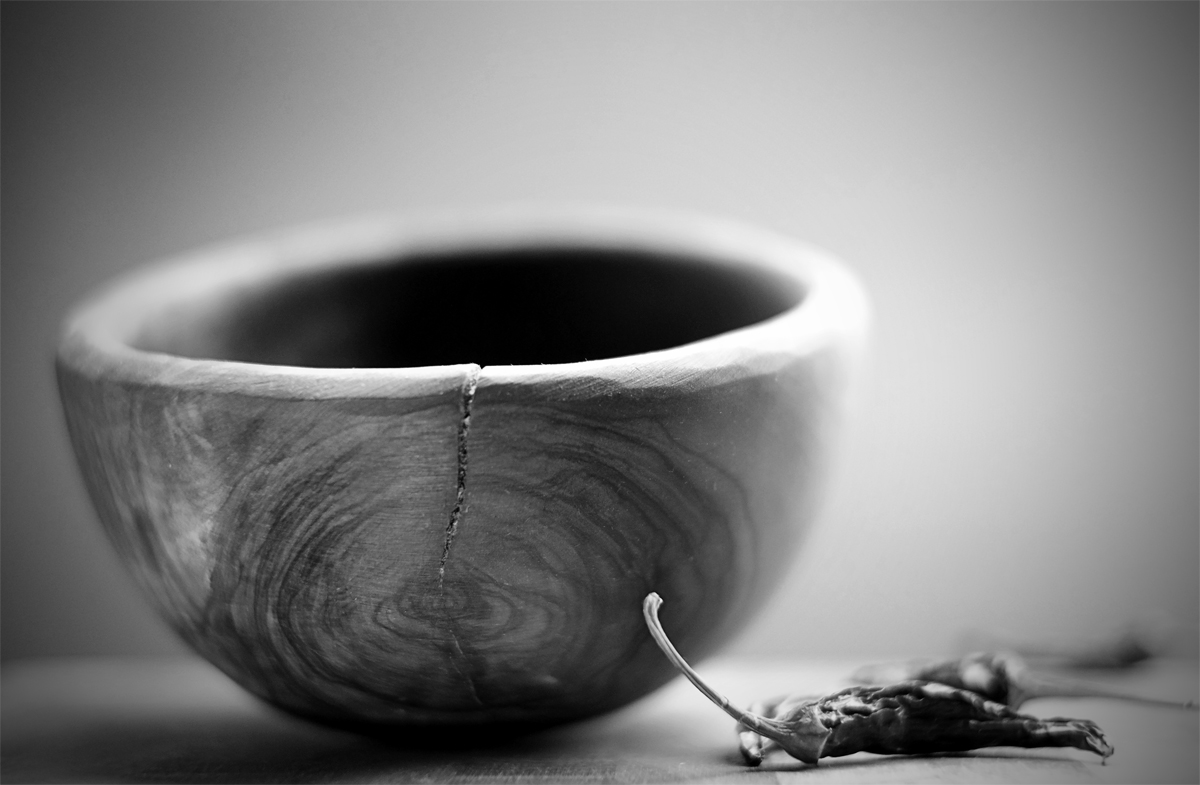 ©2019 Barbara Neider All Rights Reserved
At home:
Rather than falling into the cycle of quickly accessible, cheaply made, and oftentimes quickly thrown away items; consider investing in household goods that will last and grow with you over time. For example, a rustic table that’s been passed down through generations, each scratch adding to the narrative of the object’s interesting history. Consider buying second-hand, and appreciating the life the object lived prior to you. Incorporating a little Wabi-Sabi into your life is also an excellent way to save money and reduce your consumption.
At work:
Whether you’re part of a major company or you work for yourself, the workplace is a constant battle between deadlines, exterior pressures, and the attainment of perfection. It’s been shown that multitasking actually inhibits productivity. Although you may feel like you’re more productive, in reality, you’re just distracting yourself until time has run away from you.
If you have a project that needs to be done soon, don’t be afraid to embrace the wabi idea of isolation to dedicate your undivided attention until it’s achieved. Close that Facebook tab, turn off your email notifications and get in the zone. You’ll be surprised how quickly that to-do list will shrink. Also, be sure to take a moment to breathe, grab a coffee, go outside, appreciate the moment and recharge.
As always, thanks for reading and see you in the next article!
A big thank you also to Barbara Neider, who contributed these beautiful images for us to use. Another big thank you to Ian Orgias from Analogue Life. Ian is the founder and manager of Analogue Life and contributed the Kiseto Tea Bowl image from his shop. Please check out their website for some beautiful handcrafted Japanese items.
Leave a Reply