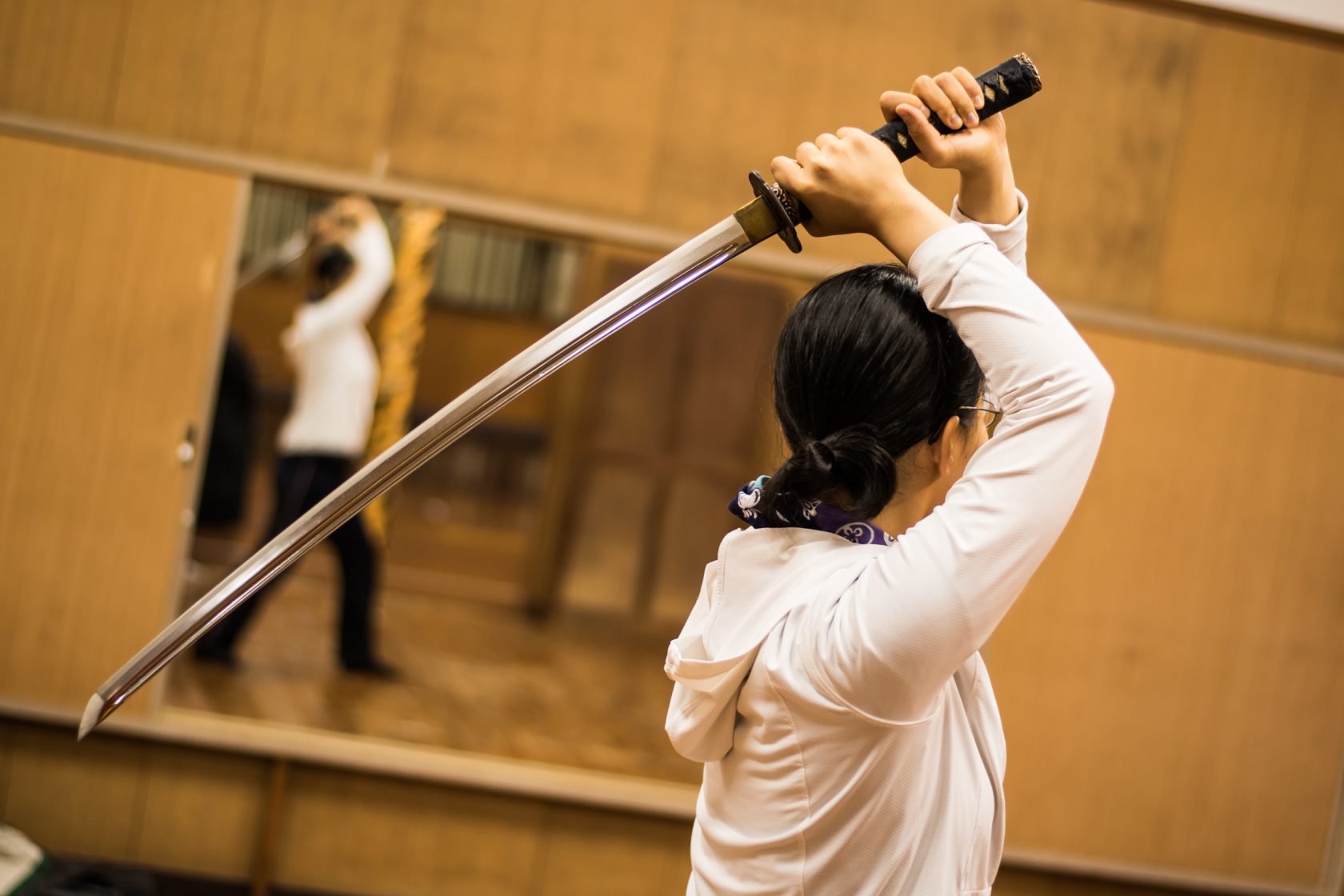
For those who have never heard the word, Iaido is a Japanese martial art which trains you, in both body and mind, how to properly use a Katana for self-defense. Despite the world-wide popularity of the iconic Japanese sword, Iaido is one of the lesser known Japanese martial arts, often lumped together with Kendo or even misheard as Aikido by unfamiliar listeners (yes, even in Japan). To better understand the martial art, its practitioners, and the future of Iaido, I visited the Kenshinkan Dojo in Okayama city. What I learned was a story of a martial art that has faced near extinction multiple times but has survived thanks to groups of forward-thinking, adaptive practitioners.
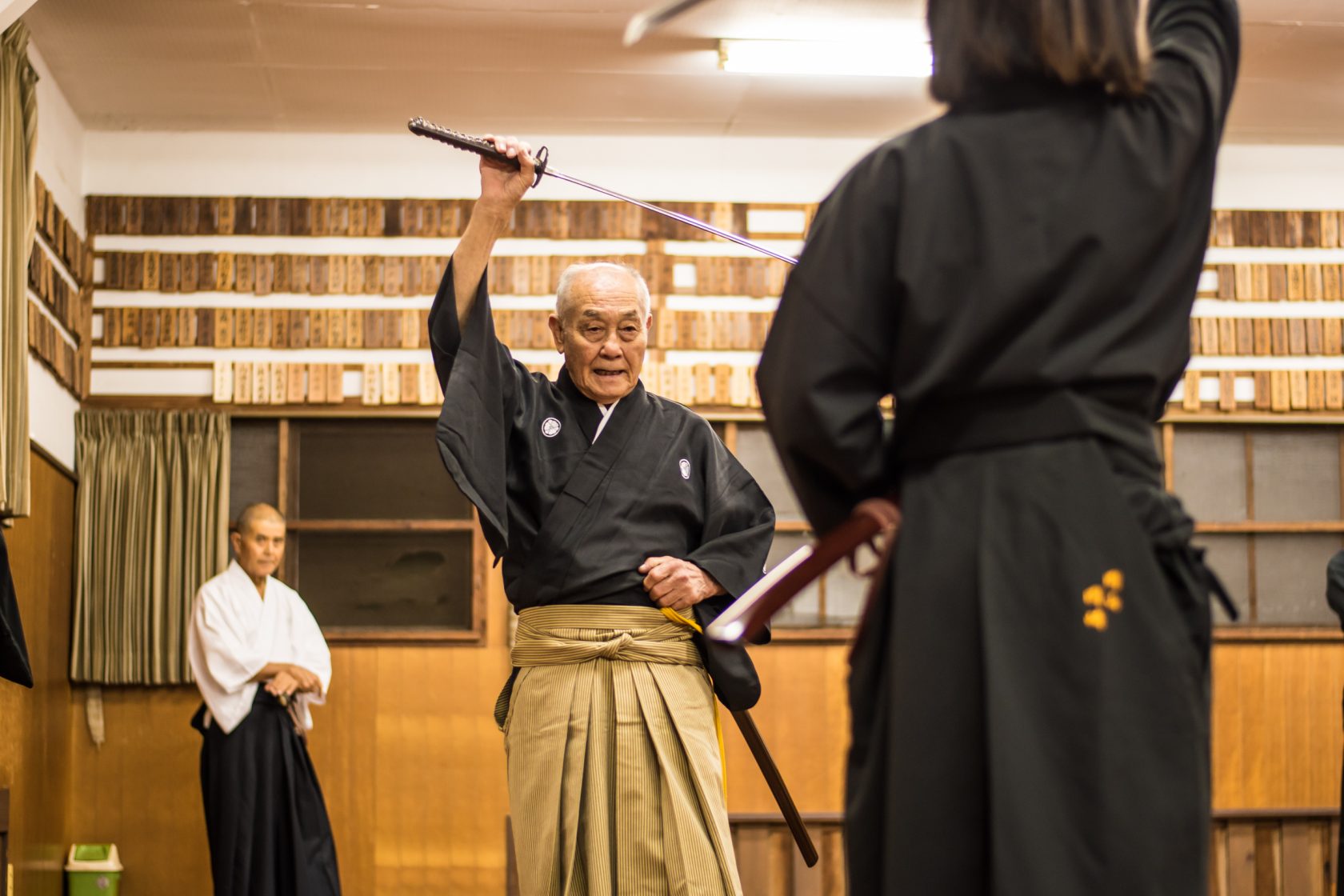
Tsutomu Yamamoto, the head teacher of the Kenshinkan Dojo, has been practicing Iaido for over 60 years. He offered a number of fascinating insights on the history and current standing of the martial art in Japan. It is deeply rooted in Iaijutsu (sword techniques) dating back to Japan’s warring 16th century. However, the name “Iaido” was only recently recognized by the the Dai Nippon Butoku Kai (DNBK) in 1932, a bit less than 90 years ago.
To provide a bit more history, by the end of the 19th century, many Japanese martial arts were in danger of being erased from society. Martial arts were no longer being taught in schools and Iaijutsu was considered obsolete on the battlefield and in law enforcement. In order to preserve the priceless cultural and philosophical values of these martial arts, they were renamed and adapted to modern times. The addition of the suffix “-do” to “iai” helped establish it, as well as other martial arts, as a national artform that was to be taught. Various public demonstrations and tournaments at the turn of the 20th century helped revive public interest and pride in Japanese martial arts. In the 1930’s, due to military nationalism, Judo and Kendo were reintroduced to the Japanese education system and became more widespread than ever. However, after the end of World War II, all forms of Japanese martial arts were banned by occupying forces.
Official Kendo tournaments were not held again until 1949, albeit under the category of sports. Since then, various Japanese martial arts groups have established themselves as sports or recreational organizations, in order to ensure the survival of their core beliefs and traditions.
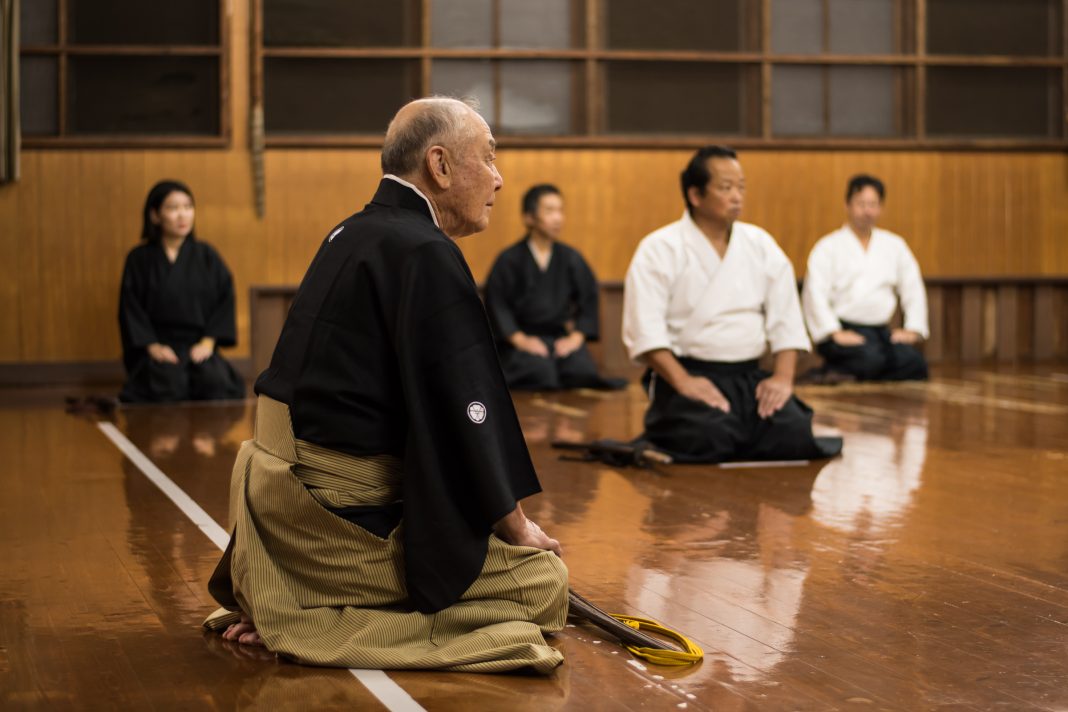
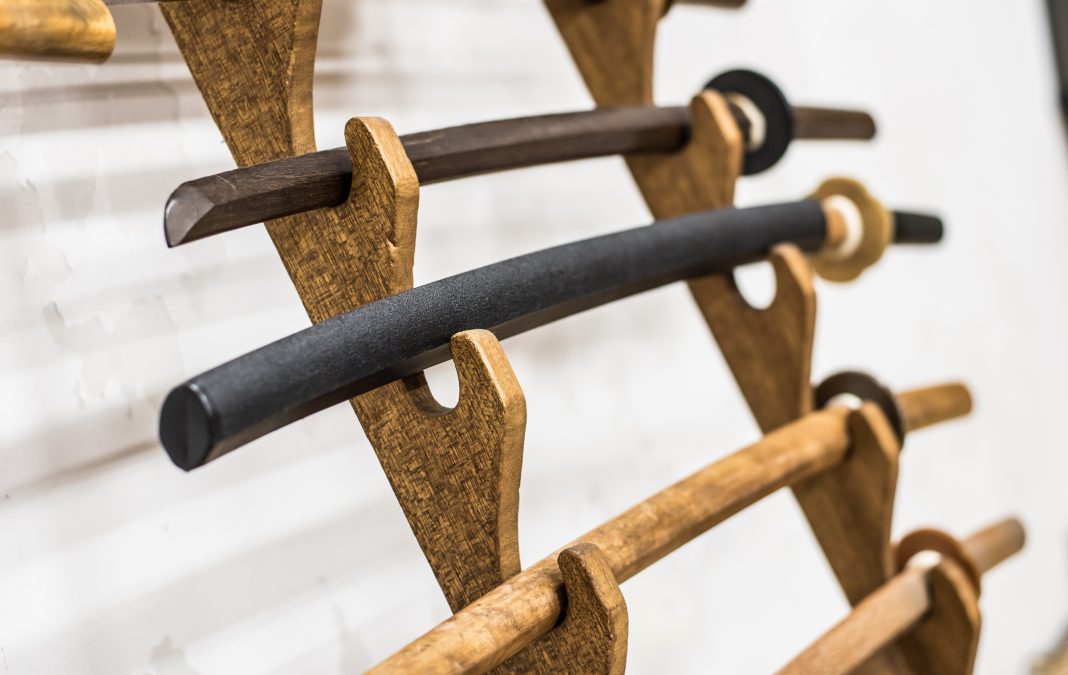
When I asked Yamamoto Sensei about how he sees the future of Iaido, he replied, “It’s quite dark.” The number of new applicants to Iaido dojo across Japan have apparently been decreasing for the past decade. Japan’s decreasing population is likely one culprit for this decline in participants. Another major problem is exposure. The amount of public exposure to Iaido is very limited compared to other major martial arts or sports, such as Karate or soccer. There are also factors, such as injury and cost, that impact participation. Due to the inherent danger of wielding a sword, the martial art is only practiced in private dojo, unlike Kendo or Judo, which are included in the compulsory Japanese education system. The primary tool of Iaido, the Katana, is expensive, with prices ranging from $7,000-$15,000 a sword, limiting the pool of potential practitioners to the truly devoted or resourceful few.
Despite the logistical hurdles, however, the future of iaido is not necessarily a dark one worldwide. There are now dojo around the world, with international competitions held in Europe every year (arranged by the European Kendo Federation since 2000). Traditionalists (and nationalists) may cringe at the idea of a Japanese martial art no longer becoming exclusively Japanese, but these individuals may want to consider the history of Japanese martial arts and how they have survived this long. Rather than needlessly letting Iaijutsu die with the last of the Samurai, determined practitioners of the martial art adapted their traditions to a new environment and ensured the survival of their philosophies. Current practitioners should look past their visible horizons and welcome in a whole world of willing participants. Now, thanks to the internet, there are more people who have been introduced to Iaido than ever before.
Non-Japanese practitioners with some of the highest ranks in martial arts are now returning to their home countries to teach the skills and principles that they learned in Japan. They may be instructing in their native language and incorporating new ideas, but that is a part of how societies adapt and improve themselves.
of 5
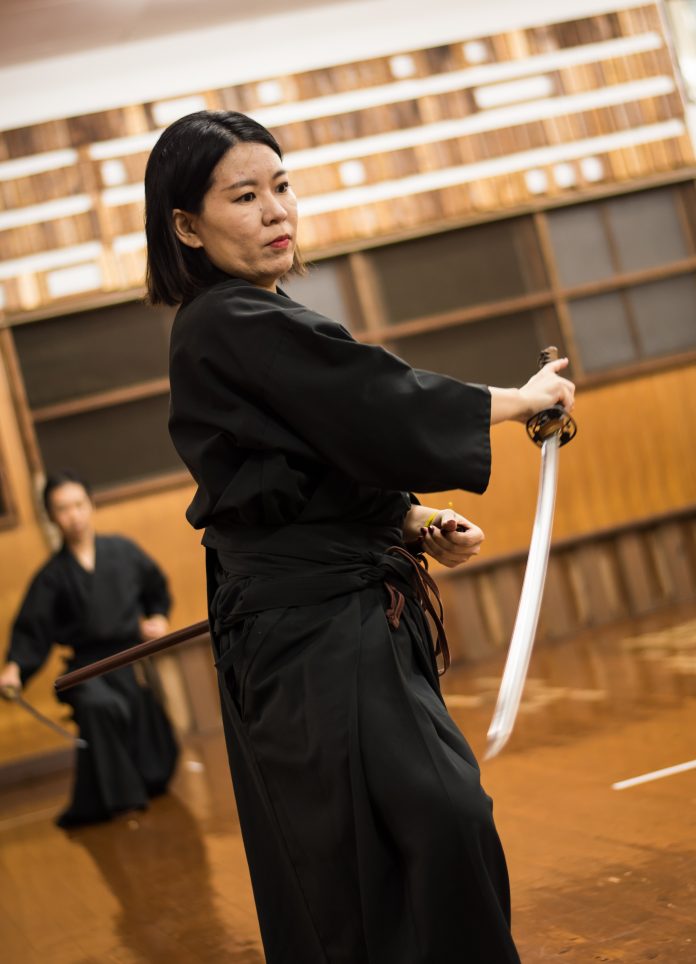
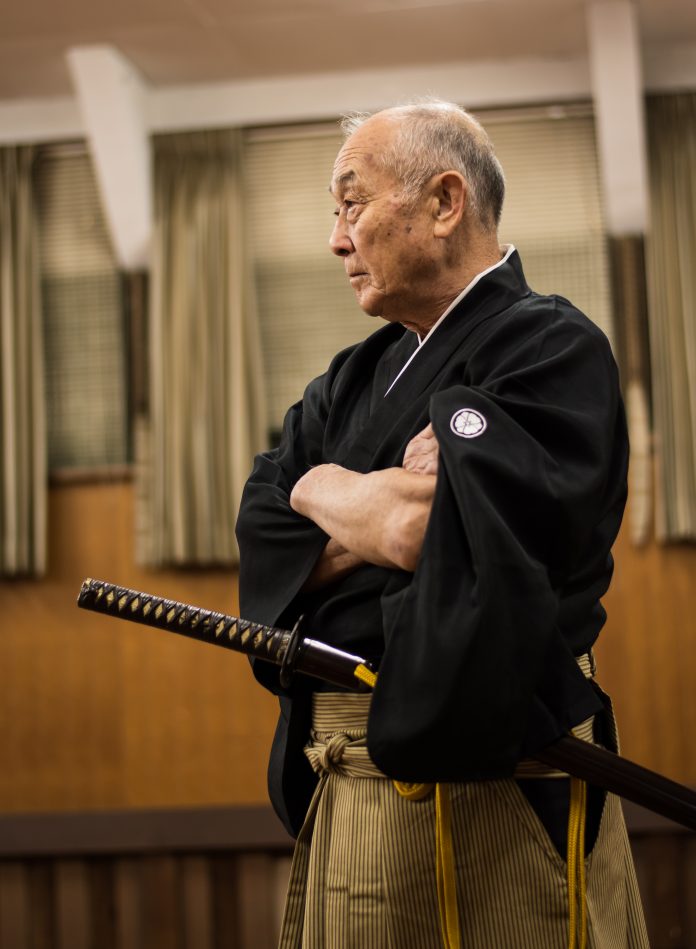
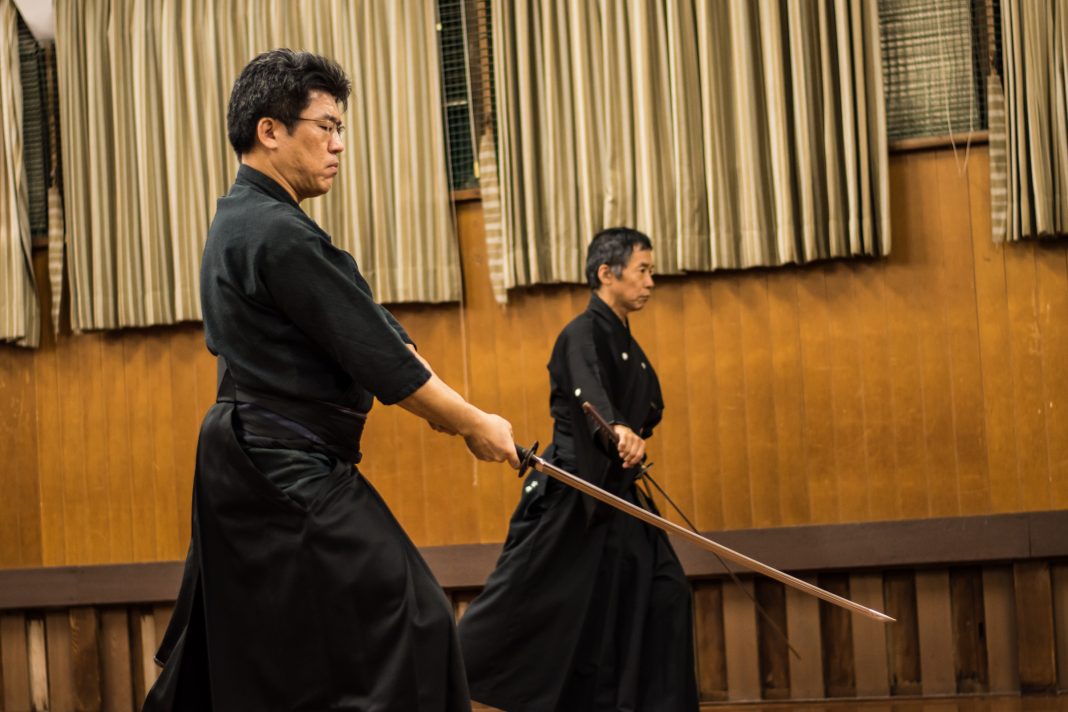
Before leaving the Kenshinkan Dojo Yamamoto Sensei told me, “I would like more foreign people to learn about Iaido, because I believe that it is one of Japan’s truly precious cultural traditions.” That heartfelt statement from Yamamoto Sensei, along with what I have learned about the history of Japanese martial arts, give me hope that their treasured cultural traditions will continue to evolve for hundreds of years to come.
Leave a Reply