Recently, a lonely sunfish made headlines when zookeepers placed life-sized cardboard human cutouts inside its cage in an unexpected and touching show of compassion for marine life. This movement was a clear attempt to improve the mental well-being of the ocean sunfish. Instead of being a marketing gimmick, this species is known for its intelligence and susceptibility in captivity.
The case has sparked an extensive debate about enrichment, animal emotions, and sometimes-invisible costs of isolation in captivity that it may bring. At the heart of this story is a massive sunfish, also known as a mola, which was displaying signs of emotional distress. Known to grow over 1,000 kg and spanning nearly three meters in height, sunfish are the heaviest bony fish in the world. Despite their size, they are highly sensitive creatures, and like many marine animals, they respond negatively to boredom, solitude, and lack of stimulation.
The Backstory of the Lonely Sunfish
This specific sunfish was kept in a Japanese aquarium. The sunfish flourished on interaction, or at least the visual stimulation, from the people who observed it through the glass, as a constant stream of visitors typically surrounded them. However, caregivers observed a discernible shift in its behavior when foot traffic decreased during off-peak hours. The formerly energetic swimmer grew sluggish and spent a lot of time hovering in one corner of the tank. Deprived of human contact, this lonesome sunfish appeared to have fallen into a state that some likened to depression.
Marine biologists and animal behaviorists were called in to assess the situation. They determined that the sunfish’s mental health was deteriorating after ruling out any physical health problems. The average person may find the diagnosis odd. But experts have long known that, particularly for intelligent animals like lonely sunfish, an animal’s emotional well-being is just as important as its physical well-being.
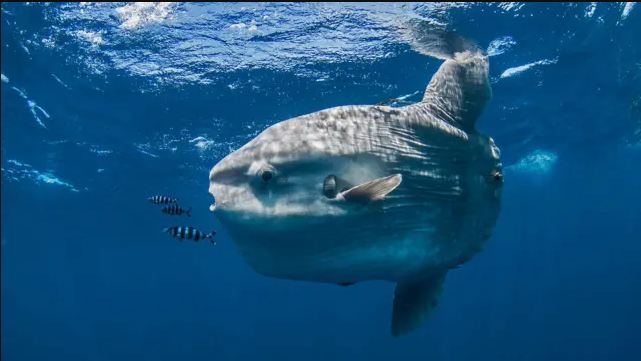
A Creative Solution: Cardboard Humans
Caretakers devised a novel solution to combat the effects of emotional stagnation and loneliness: placing life-sized cardboard cutouts of people close to the tank. These immobile figures were supposed to provide the lonesome sunfish with some kind of passive interaction by simulating the presence of frequent human visitors. This move had its roots in behavioral science despite its absurdity.
The cardboard figures were designed to look like real aquarium-goers — some standing, some pointing, others crouching like children do when watching fish. They were carefully laminated to withstand the humidity and arranged in a way that created the illusion of a small crowd. To the delight of the staff, the lonely sunfish responded positively almost immediately. It began moving more actively, swimming up toward the glass and seemingly interacting with the cardboard figures.
While no one claims the sunfish mistook the cardboard for real people, the familiar shape and positioning appeared to trigger a sense of comfort or curiosity. Scientists speculate that sunfish, like dolphins and octopuses, may have higher visual processing capabilities than previously believed. This means even a still, two-dimensional figure might offer enough visual engagement to help soothe a socially isolated animal.
The Science Behind Animal Loneliness
Loneliness in animals is not a discovery. Studies have shown that social deprivation can have serious consequences for both mammals and non-mammals. Primates, parrots, elephants, and even certain species of fish like the sunfish display behavioral changes when isolated. In captivity, these symptoms may include repetitive movement, loss of appetite, listlessness, and even aggression.
The lonely sunfish showed obvious signs of distress. It no longer engaged with its surroundings, wandered, and showed little interest in food. Its behavior significantly improved with the introduction of the cardboard figures. The sunfish resumed its normal eating habits, responded to its keepers once more, and started swimming in more playful, animated patterns.
The intervention was profound and straightforward. The staff effectively created a social environment for the lonely sunfish by arranging dummy humans around the tank. Particularly for animals that depend on social cues or visual engagement with their environment, this experiment has led other facilities to contemplate similar enrichment strategies.
Why the Story of the Lonely Sunfish Matters
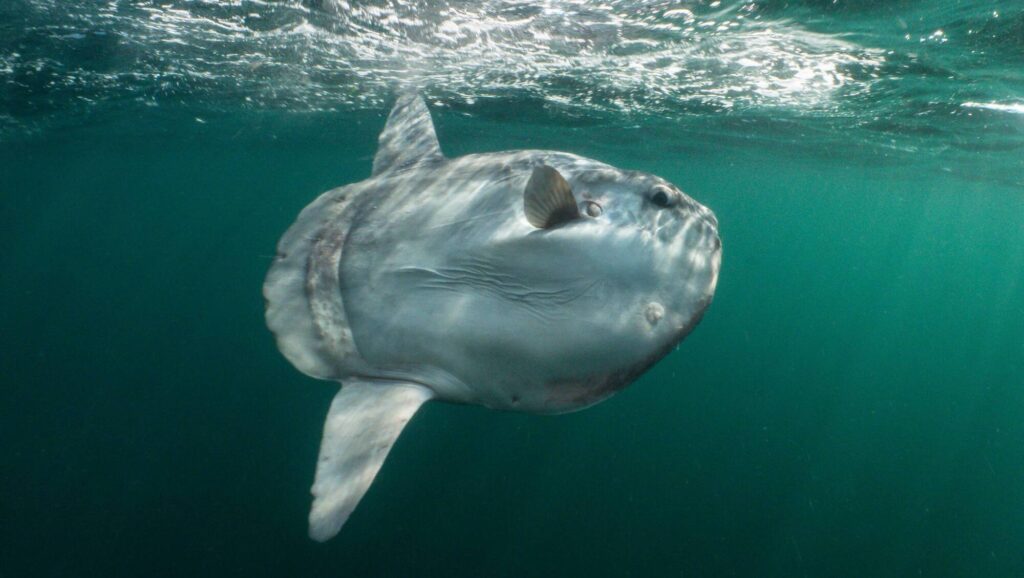
This unique case has wider ramifications for our understanding of animal care, especially with regard to marine life. The lonely sunfish serves as a reminder that mammals are not the only animals with complex emotions and intelligence. A fish can still suffer even if it lacks a voice to weep with or eyebrows to furrow. Long-held beliefs about what animals “need” in captivity are challenged by the possibility that a sunfish could exhibit emotional distress as a result of a lack of human visitors. Additionally, it makes room for more deliberate, scientifically supported enrichment techniques in aquariums and zoos worldwide.
Moreover, this story resonates with people in a post-pandemic world, where social isolation has taken a toll on humans as well. If a lonely sunfish can be cheered up with the illusion of social interaction, it speaks volumes about the universal need for connection — even across species lines. As researchers continue to monitor the sunfish’s progress, they are now looking into additional forms of stimulation, such as underwater mirrors, colored lights, and even moving projections. But for now, the cardboard humans are staying put, serving as silent companions for one of the ocean’s strangest yet most endearing residents.
In conclusion, the lonely sunfish has matured into an unexpected indication of compassion, creativity in animal care, and flexibility. There is more to this story than one fish in one tank. It’s about recognizing the emotional realms of non-human life that are invisible. The value of stimulation and connection, whether provided by cardboard figures or real people, cannot be emphasized, particularly for animals that, like humans, are influenced by the people they spend time with.
Read More: 20 Pictures That Prove That Japan Is Different From Any Other Country
Leave a Reply