Imagine a bite of sushi so luxurious it glimmers with real 24-karat gold. That’s the allure of gold leaf sushi—a dish where edible gold transforms a traditional meal into a culinary spectacle. Originating in Japan and embraced worldwide in elite restaurants, gold leaf sushi delivers visual glamour and a dash of novelty. But is the payoff worth the price? Let’s explore its origins, preparation, health factors, and cultural impact.
What Is Gold Leaf Sushi?
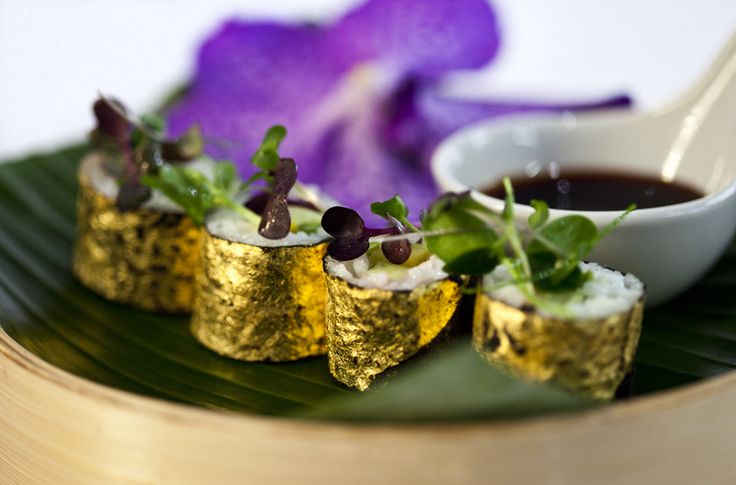
At its simplest, gold leaf sushi combines a modest piece of sushi—typically nigiri or maki—with a delicate layer of edible gold leaf. Crafted from pure gold, these ultra-thin sheets are often colorless, flavorless, and tasteless, designed to add visual drama without altering the taste. The hallmark shine elevates the dish from everyday fare to a shimmering masterpiece.
Gold leaf has deep roots in Japanese culture, with origins dating back over 400 years in Kanazawa—Japan’s gold-leaf production capital. Here, artisans honed the craft to produce paper-thin gold now used in temples, artwork, and haute cuisine. The transition from temple décor to dining table symbolized elegance, and soon, gold leaf sushi emerged as one of the most photogenic expressions of this tradition.
How Is Gold Leaf Sushi Made?
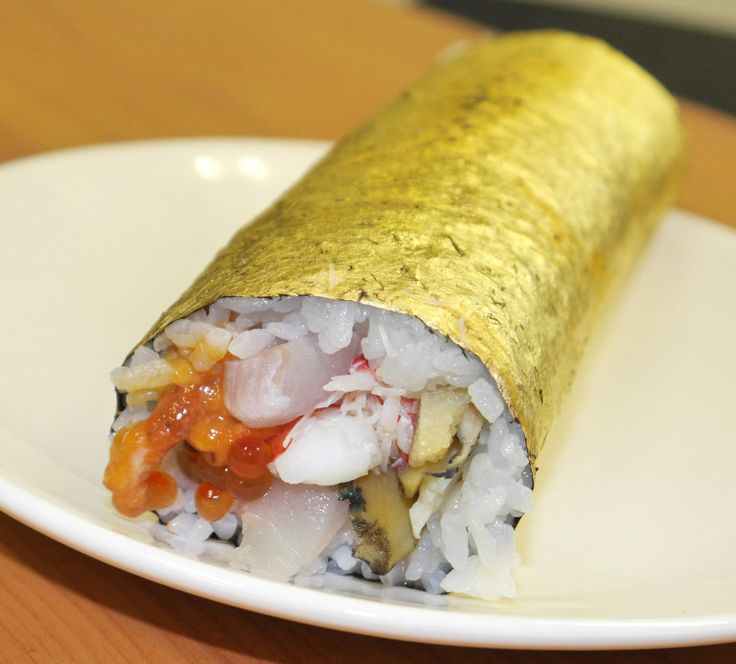
Creating gold leaf sushi involves several steps:
- Gold Production: Pure gold is repeatedly hammered into ultrathin sheets mere micrometers thick.
- Sushi Preparation: Expert chefs prepare sushi rice and fish as usual.
- Gold Application: Using tweezers, chefs gently cover the sushi with gold leaf—ensuring coverage without tearing.
Since gold is inert and tasteless, it simply enhances aesthetics without altering the flavor balance. The result: a breathtaking dish that looks as precious as it costs.
Absolutely! Gold leaf sushi is completely safe to eat. In fact, places like the EU and the U.S. actually recognize edible gold as a valid food additive under code E-175. Nutrition experts have confirmed that 24-karat gold just passes through your digestive system without being absorbed. So while it might not be a miracle superfood, it definitely adds a touch of sparkle to your meal without any health worries. How cool is that?
Where to Try Gold Leaf Sushi
Japan
- Kanazawa: Known as the gold-leaf capital, many local restaurants offer gold leaf sushi as part of gourmet tasting menus.
- Tokyo & Osaka: Luxury sushi bars sometimes add a gold touch to special nigiri for VIP customers or celebratory meals.
Global Locations
- United States: Some high-end sushi chefs in New York and Los Angeles offer gold leaf sushi at pop-ups or special events.
- Dubai & Europe: Embracing the glimmer of gold leaf sushi, upscale sushi restaurants have started serving gold-covered nigiri and rolls.
Taste and Experience: What to Expect
The ceremony is what makes gold leaf sushi so delightful:
- Visual Delight: A glistening object that catches both light and camera lenses.
- Texture & Flavor: The gold itself is imperceptible. The real flavor stems from the fish, rice, and chef’s skill— the gold adds depth to the experience, not flavor.
- Conversation Starter: It’s ideal for special occasions—birthdays, anniversaries, or simply taking sushi games to new heights.
The Price of Luxury
Due to gold’s cost and the manual skill required, gold leaf sushi is notably pricier. In Japan, extravagant rolls can cost upwards of ¥10,000 ($70–90), while abroad, prices can double or triple. Many diners opt for a single gold-adorned piece amid a standard course—enough sparkle to savor without breaking the bank.
It’s no wonder gold leaf sushi is wildly popular online. Instagram and TikTok feed overflow with glimmering nigiri tagged #goldleafsushi. Posts highlighting the unwrapping of a gold sheet or close-up sparkling salmon draw attention—proving that sometimes taste takes a back seat to visual impact, especially in the age of food porn.
Critiques and Considerations
Not everyone is a fan. Some critics argue gold leaf sushi is unnecessary showmanship—a luxury that adds no taste but inflates cost. Reddit threads like r/shittyfoodporn mock the excessive use of edible gold. Nevertheless, for many, the aesthetic value outweighs skepticism—after all, culinary arts often blend taste and spectacle.
Can gold leaf sushi shape future gastronomy? Possibly. Chefs are experimenting with gold in cocktails, desserts, and savory treats. Japan remains at the forefront of edible art, encouraging evolution: expect glittering ramen, golden desserts, or shimmering tea ceremonies—expanding beyond sushi into immersive culinary worlds.
A Bite of Luxury
The changing role of food in our experience economy is still demonstrated by gold leaf sushi. It questions the idea of fine dining as a glistening fusion of tradition, spectacle, and taste. Though not appropriate for regular meals, it makes a lasting impression because it is photogenic, transformative, and completely decadent. Are you prepared to give it a try? Prepare your chopsticks for that golden bite, which is full of flavor, tradition, and distinctive flair.
Read More: This Is What Hospital Food Looks Like in Japan And Its Incredibly Gourmet
Leave a Reply