Imagine entering a store where the mannequin does more than just show off the clothes; it welcomes you, makes comments about your appearance, and suggests items based on your preferences. This isn’t a fantasy or science fiction story. AI mannequins are now providing real-time fashion advice thanks to a Japanese research lab’s innovative technology.
These interactive mannequins are changing the way people shop by fusing artificial intelligence with retail design. Additionally, they have the potential to completely transform the global fashion industry if early trials are any indication.
What Are AI Mannequins?
AI mannequins are sophisticated, life-sized models that have sensors, speakers, microphones, and machine-learning algorithms built into them. These mannequins were created in a Tokyo-based lab that specializes in human-AI interaction and retail robotics. They are programmed to interact with customers in the same way that a store assistant would.
They can read your mood, track eye movements, analyze your body type, make recommendations based on store inventory, and use facial recognition and voice interaction. Certain models are even made to speak several languages, which makes them ideal for tourist hotspots like Shibuya or Harajuku.
The Idea Behind the Invention
A straightforward but impactful observation gave rise to the idea of AI mannequins: many consumers are uncertain about their clothing selections when they don’t get a second opinion. Many customers feel overburdened or abandoned by self-service retail, and store employees aren’t always able to serve everyone. Engineers at the lab set out to create a mannequin that does more than just wear clothes; it can converse, offer advice, and even provide entertainment in order to close that gap. Developing a customized shopping assistant that could function without human constraints was the aim.
How AI Mannequins Work
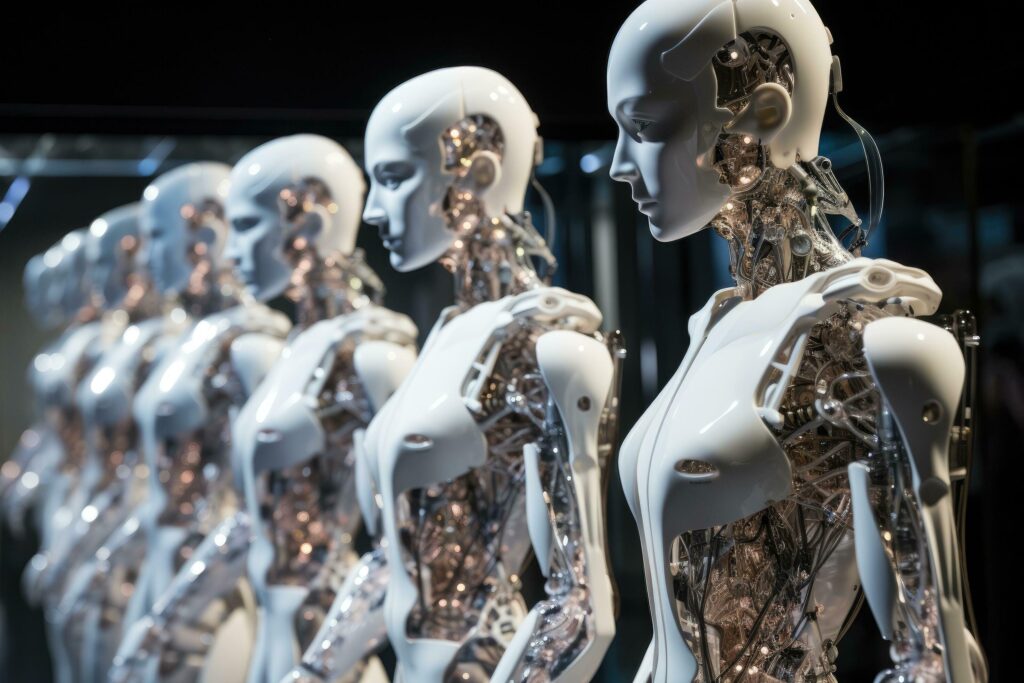
One of the ability of these AI mannequins to process information fast and react appropriately is what makes them so unique. Here is how they function:
- Facial Recognition: The mannequin’s integrated camera analyzes the shopper’s face as they approach, estimating their age, gender, and emotional cues.
- Voice Interaction: The customer is greeted by the mannequin, who also inquires if they need help. It comprehends and reacts to conversations using natural language processing, or NLP.
- Inventory Sync: The AI is connected to the store’s real-time inventory system, so it knows which styles, colors, and sizes are available.
- Style Suggestions: Based on the customer’s appearance and preferences, the AI mannequin suggests outfits, accessories, or alternatives.
- Interactive Feedback: Customers can ask questions, request color variations, or even get styling tips—just as they would with a human assistant.
This interactive loop not only enhances the shopping experience but also boosts customer engagement and store loyalty.
AI Mannequins vs Traditional Retail
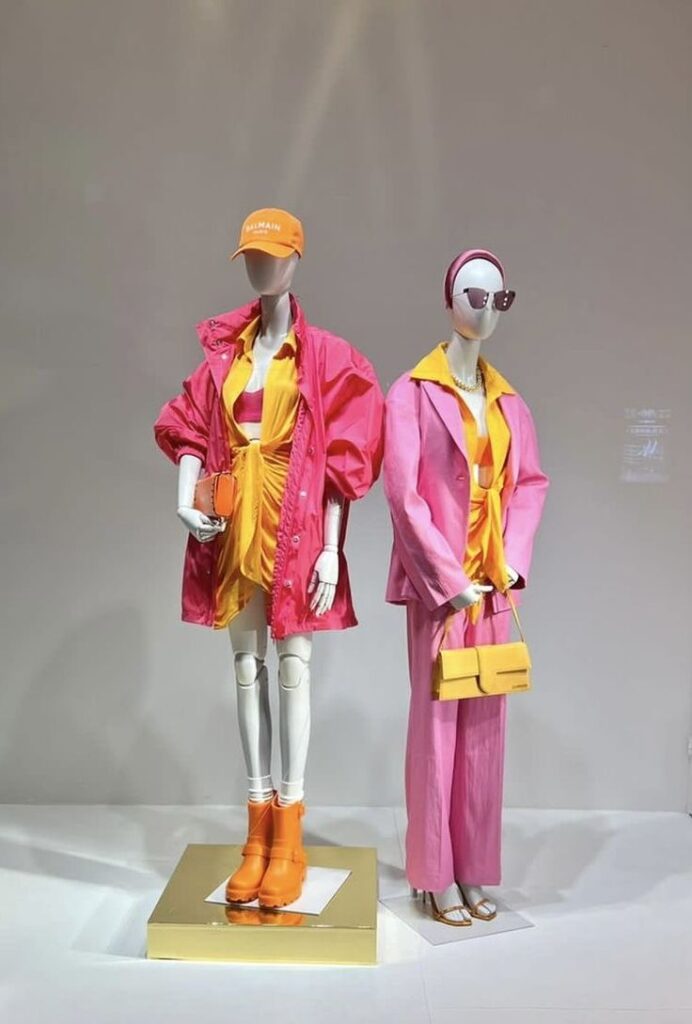
AI mannequins are dynamic, responsive, and have the ability to learn, in contrast to traditional mannequins, which have a static visual function. Using machine learning models, these intelligent figures gradually adjust to the preferences of their users. They are even able to recall repeat customers and adjust their recommendations accordingly. Physical retail has been looking for a way to compete in a world where online shopping offers tailored algorithms and recommendations. AI mannequins offer individualized service without the constraints or strain of human employees.
Benefits for Customers
- Personal Styling Help: Shoppers get tailored advice based on their body shape, personal style, and current trends.
- Reduced Decision Fatigue: Customers are directed to options that fit them rather than having to browse racks.
- Comfortable Interaction: Because AI eliminates the pressure of a human salesperson, some people prefer receiving recommendations from it.
Benefits for Retailers
- Increased Sales: Personalized recommendations frequently result in more assured purchases.
- Labour Efficiency: Large sales teams are not necessary because a single AI mannequin can help several customers.
- Real-Time Data: Retailers can modify their inventory by learning which styles and recommendations work best.
The Fashion Industry’s Growing Embrace of AI
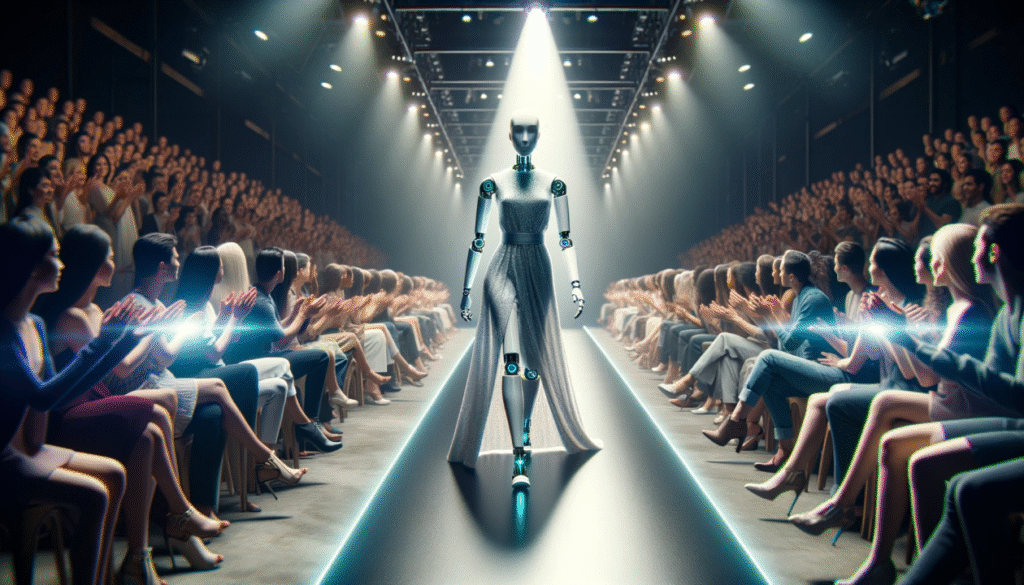
The launch of AI mannequins demonstrates how Japan, a longtime leader in robotics, keeps innovating in unexpected fields. Pilot programs have already been launched by major department stores in Tokyo and Osaka, and the initial response has been overwhelmingly positive. Global brands are keeping a close eye on things in the meantime. These AI-powered mannequins might soon be seen in flagship stores throughout Europe and the United States as the fashion tech sector is expanding quickly.
Challenges and Ethical Considerations
Despite their many advantages, AI mannequins also raise important questions:
- Privacy: Facial recognition and data collection must be handled with transparency and strict regulations.
- Job Displacement: What will happen to traditional retail jobs as AI assistants proliferate?
- Bias and Representation: To be sure the AI offers inclusive fashion suggestions for individuals of all body types, genders, and ethnicities is crucial.
With a focus on ethical AI and fair usage guidelines, developers are actively tackling these problems.
A Look to the Future
As technology advances more, AI mannequins might become more robust. Future iterations may incorporate haptic feedback (to mimic touch), gesture control, or even holographic projections. Consider a mannequin that can demonstrate how a jacket will appear in different climates or lighting situations. Integration with mobile apps is another possibility.
AI mannequins can become more intelligent with evolving technology. Later models may incorporate haptic feedback (to simulate touch), gesture control, or even holographic displays. Think of a mannequin that can show how a jacket will look in varying climates or lighting conditions. Integration of mobile apps is also possible.
For example, a shopper can scan a QR code beside the AI mannequin to see a virtual try-on, get digital coupons, or send fashion inspiration to friends in real-time. AI mannequins have transformed how we engage with retail environments. They make the shopping experience more upscale, interactive, and enjoyable by blending design, technology, and human psychology.
Japanese technology is changing the face of fashion retailing, where the mannequins do not just model the apparel but help you discover your style. These interactive figures are not merely a gimmick in a competitive marketplace where customer experience is paramount. One insightful conversation at a time, they represent a powerful tool for creativity, customization, and involvement.
Read More: 8 Cultural and Moral Differences Between Japan and the U.S. That Might Surprise You
Leave a Reply