This can be quite an experience for many visitors to Japan who must navigate the country’s hi-tech toilets. These engineering wonders made a mundane need into an experience that is luxurious, comfortable and hygienically pleasing.
Japanese toilets contrast with Western toilets in significantly innovative way to offer a highest level of cleanliness, efficiency, and user comfort. So, Today in this article we will explore Japanese Toilets in detail, their evolution, functions, benefits and global influence.
A Brief History of Japanese Toilets
Japanese toilets have come a long way since their humble beginnings. Squat toilets, which require users to kneel over a ceramic or wooden basin, have been used in Japan for generations. These toilets were effective in their own way, but lacked the comfort and convenience that modern society demands.
The first significant innovation came in the 1960s when Western-style flush toilets gained popularity in Japan. But the real game changer was in 1980 when the company Toto launched the Washlet, a toilet seat equipped with a built-in bidet feature. This was a game-changer for how people thought about bathroom hygiene in Japan and elsewhere. In the ensuing years, the technology surrounding Japanese toilets has evolved, resulting in even better functionality and user experience, making them arguably the most advanced bathroom fixture available in the world.
Key Features of Japanese Toilets
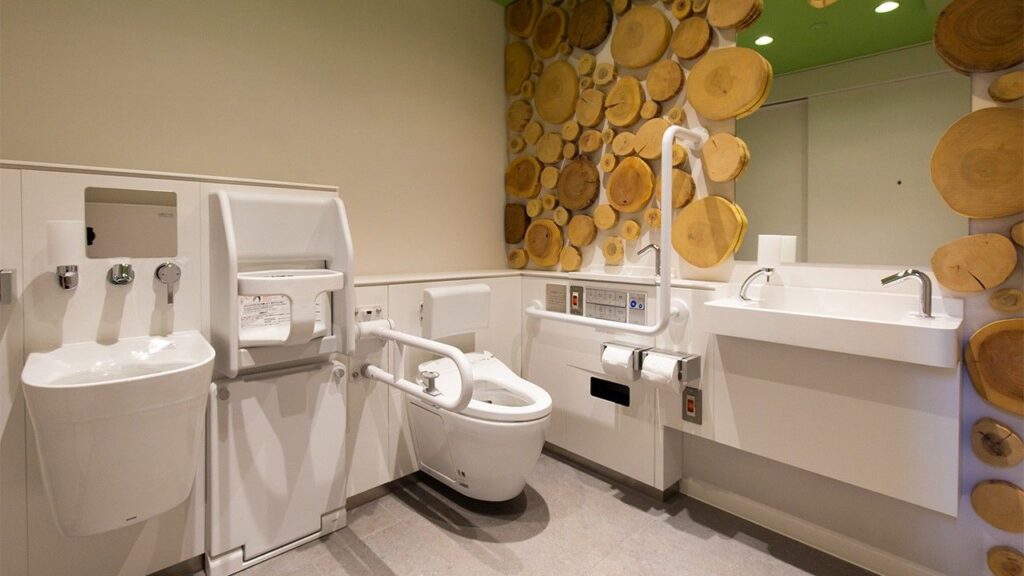
What makes Japanese toilets so special? The answer lies in their numerous innovative features that prioritize cleanliness, comfort, and efficiency. Here are some of the most popular features found in modern Japanese toilets:
1. Bidet and Water Spray Functions
One of the defining features of Japanese toilets is the built-in bidet. A retractable nozzle sprays a gentle stream of water to clean the user after using the toilet. Many models allow users to adjust the water pressure and temperature for a more personalized experience.
2. Heated Seats
Cold toilet seats can be quite uncomfortable, especially in winter. Japanese toilets often come with heated seats that can be adjusted to different temperature levels, ensuring a cozy and pleasant experience every time.
3. Automatic Lid Opening and Closing
Some high-end models have motion sensors that automatically lift the lid when a user approaches and close it after they leave. This touchless operation enhances hygiene and convenience.
4. Self-Cleaning Nozzles
To maintain hygiene, Japanese toilets feature self-cleaning nozzles that rinse themselves before and after each use. Some models even use antibacterial coatings to further ensure cleanliness.
Don’t Miss: Dogen City: Japan’s Dream of a Sustainable Floating City
5. Air Drying System
Many advanced Japanese toilets have an air drying function, which eliminates the need for toilet paper. Users can adjust the air temperature and intensity for maximum comfort.
6. Deodorizing System
To eliminate odors, Japanese toilets often include built-in deodorizing systems that activate after flushing. These systems help keep bathrooms fresh and pleasant.
7. Smart Controls and Customization
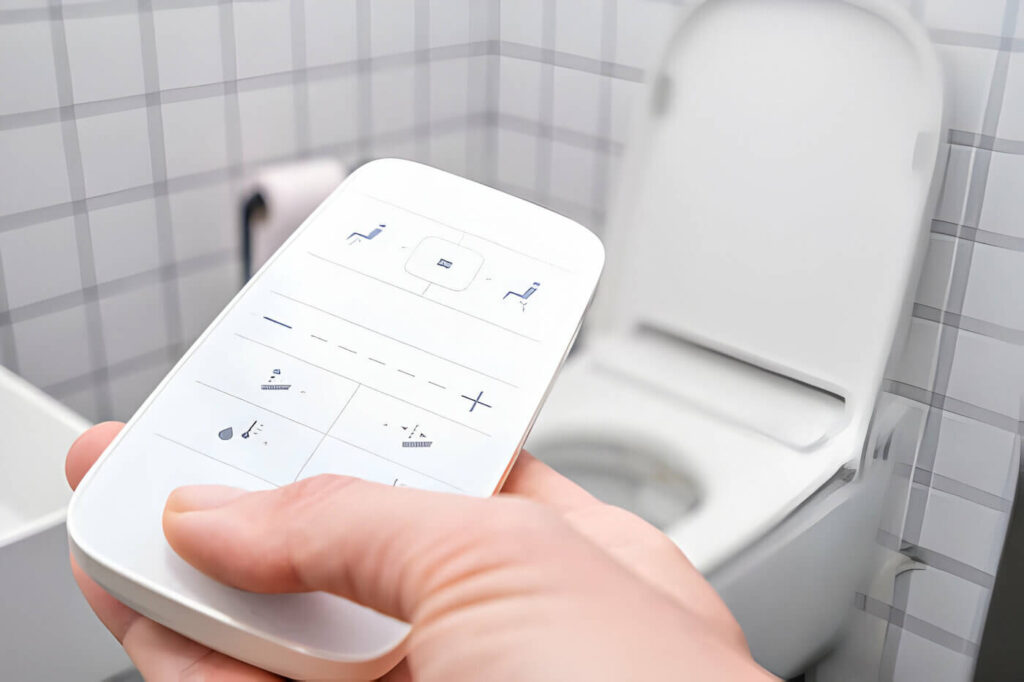
Most modern Japanese toilets come with a remote control or side panel that allows users to customize their experience. Some even have memory settings to save preferences for different users.
8. Music and White Noise Features
To provide privacy and minimize awkward noises, some toilets are equipped with built-in speakers that play soothing sounds or white noise when in use.
9. Eco-Friendly Water-Saving Mechanisms
Japanese toilets are designed to be environmentally sustainable. Many models use dual flush systems that allow users to choose between a full or half flush, reducing water consumption.
10. Health Monitoring Features
The latest models of Japanese toilets are integrating health monitoring functions. Some can analyze urine or stool samples to provide insights into a user’s health, making them valuable tools for preventive healthcare.
Benefits of Using a Japanese Toilet
With all of these modern features, Japanese toilets have various advantages that go beyond simple sanitation:
1. Superior Hygiene
The bidet function provides greater cleanliness than toilet paper alone. This lowers the danger of bacterial illnesses and encourages good personal hygiene.
2. Enhanced Comfort
Features like heated seats, adjustable water temperature, and air drying make using the toilet a much more comfortable experience.
3. Accessibility for the Elderly and Disabled
Japanese toilets make bathroom use easier for individuals with limited mobility. Features like automatic lid opening, bidets, and air drying help those who struggle with traditional toilet functions.
4. Environmental Benefits
By reducing the use of toilet paper and incorporating water-saving technology, Japanese toilets contribute to sustainability efforts and help conserve resources.
5. Aesthetic and Modern Appeal
Sleek designs and futuristic features make Japanese toilets a stylish addition to any modern bathroom.
The Global Influence of Japanese Toilets
Japan’s famously high-tech toilets have become popular abroad, and their tentacles are still spreading. More and more luxury hotels, airports, and homes in the West are installing Japanese-style toilets, realizing how much more functional and cleaner they are. Three of the top Japanese toilet manufacturers, Toto, Panasonic, and LIXIL, are rapidly expanding into global markets. Bidet toilet seats and smart toilets are also becoming more commonly used in the US and Europe because more people are learning about their benefits.
Read More: The Unique Watermelon Culture of Japan: From Square Melons to Luxury Fruits
Leave a Reply