Japan’s Nightingale Floors (鴬張り, uguisu-bari) are a testament to the ingenuity and craftsmanship of the Edo period (1603-1868). These specially designed wooden floors, found in castles and temples, were engineered to chirp like a nightingale when stepped on, serving as an early warning system against intruders. Let’s explore the history, engineering, and cultural significance of these remarkable architectural features.
Historical Background: A Defense Mechanism Born from Conflict
The origins of nightingale floors are deeply rooted in Japan’s tumultuous Sengoku (Warring States) period (1467-1603), a time of near-constant civil war. As rival warlords vied for power, the need for advanced security measures in castles and temples became paramount. The Edo period, which followed, brought relative peace under the Tokugawa shogunate, but the threat of assassination—particularly from stealthy ninja—remained a concern for the ruling elite.
Nightingale floors were developed as a discreet yet effective security feature. Their primary purpose was to alert residents to the presence of intruders, especially ninja, who were skilled in stealth and infiltration. The floors were installed in key areas of castles and temples, such as corridors leading to the private quarters of shoguns, samurai lords, and temple monks.
The Engineering Behind the Chirp: How Nightingale Floors Work
The secret to the nightingale floor’s chirping sound lies in its ingenious construction. Here’s how it works:
- Double-Layered Flooring: The floor consists of two layers of wooden planks. The top layer is the walking surface, while the bottom layer acts as a support structure.
- Metal Clamps and Nails: Between the two layers, metal clamps or nails are strategically placed. These act as pivots, allowing the upper planks to move slightly when pressure is applied.
- Friction and Vibration: As a person steps on the floor, the upper planks rub against the metal clamps or nails, creating friction. This friction produces a high-pitched squeaking or chirping sound, reminiscent of a nightingale’s song.
- Impossible to Silence: The design ensures that even the lightest step will produce some noise. The floors are intentionally uneven, making it nearly impossible for an intruder to avoid triggering the sound.
Famous Locations Featuring Nightingale Floors
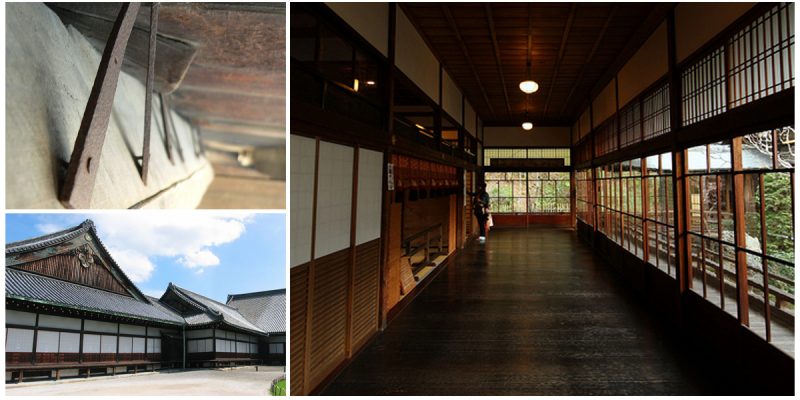
Today, several historic sites in Japan still feature nightingale floors, allowing visitors to experience this unique security measure firsthand. Some of the most notable locations include:
Nijō Castle (Kyoto): Built in 1603 as the residence of Tokugawa Ieyasu, the founder of the Tokugawa shogunate, Nijō Castle is perhaps the most famous example of nightingale floors. The floors in the castle’s Ninomaru Palace chirp loudly with every step, a feature designed to protect the shogun from potential assassins.
Chion-in Temple (Kyoto): This sprawling temple complex, headquarters of the Jōdo-shū Buddhist sect, features nightingale floors in its main hall and corridors. The floors were installed to protect the temple’s treasures and the monks who resided there.
Kyoto Imperial Palace: The former residence of the Imperial family also boasts nightingale floors in certain areas, reflecting the importance of security even within the palace walls.
Legacy and Cultural Significance
Nightingale floors are more than just a historical curiosity; they represent a blend of artistry, engineering, and practicality that is emblematic of Japanese architecture. Their design reflects the resourcefulness of Edo-period craftsmen, who prioritized both functionality and aesthetic harmony.
In modern times, nightingale floors have become a symbol of Japan’s rich cultural heritage. They are celebrated not only for their historical significance but also for their ability to evoke a sense of wonder and connection to the past. Visitors to castles and temples with nightingale floors often marvel at the ingenuity of their design and the stories they tell about a time when security was a matter of life and death.
Japan’s nightingale floors are a fascinating example of how architecture can serve both practical and artistic purposes. Born out of necessity during a time of conflict, these floors continue to captivate visitors with their clever design and historical significance. Whether you’re walking the corridors of Nijō Castle or exploring the halls of Chion-in Temple, the chirping of the nightingale floors offers a unique glimpse into Japan’s storied past.
Leave a Reply