At first glance, the tanuki and the raccoon might seem like close relatives—both are small, furry, and have masked facial features. However, these two animals belong to entirely different families and have unique histories, behaviors, and cultural significance. While the tanuki is deeply rooted in Japanese folklore and known for its mythical shapeshifting abilities, the raccoon is a clever and adaptable creature famous across North America and beyond. Let’s dive into the fascinating differences between these two animals and uncover what makes each one truly unique.

Family Lineage and Origins
Tanuki (Nyctereutes procyonoides)
- The tanuki, also known as the Japanese raccoon dog, is a member of the canid family, making it a distant relative of wolves, foxes, and domestic dogs.
- Native to East Asia, the tanuki is found in Japan, China, Korea, and parts of Siberia.
- Despite its name, the tanuki is not a raccoon but rather a unique species that evolved independently.
Raccoon (Procyon lotor)
- The raccoon belongs to the Procyonidae family, which includes coatis, kinkajous, and olingos.
- Native to North America, raccoons have also been introduced to Europe and Japan, where they are considered an invasive species.
- Raccoons are known for their adaptability and intelligence, thriving in both urban and rural environments.
Physical Differences
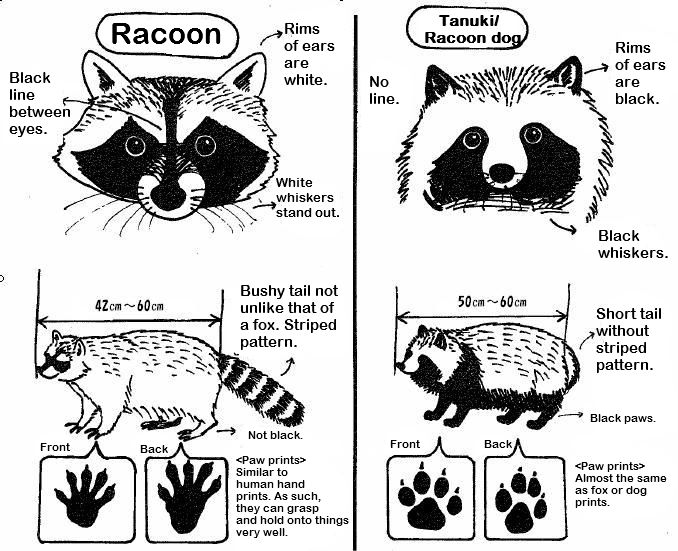
While both animals share some superficial similarities, their physical traits set them apart:
Tanuki
- Stocky build with short legs and a bushy tail.
- Fur is typically brown or gray with a distinctive black “mask” around the eyes.
- Smaller ears and a more rounded face compared to raccoons.
Raccoon
- Slender body with dexterous front paws resembling human hands.
- Grayish fur with a prominent black mask and ringed tail.
- Larger ears and a more pointed snout.
Behavior and Diet
Tanuki
- Tanuki are omnivorous, feeding on a diet of small animals, insects, fruits, and plants.
- They are monogamous and live in small family groups, with males actively participating in raising their young.
- Tanuki are known to hibernate during the winter in colder regions, a rare trait among canids.
Raccoon
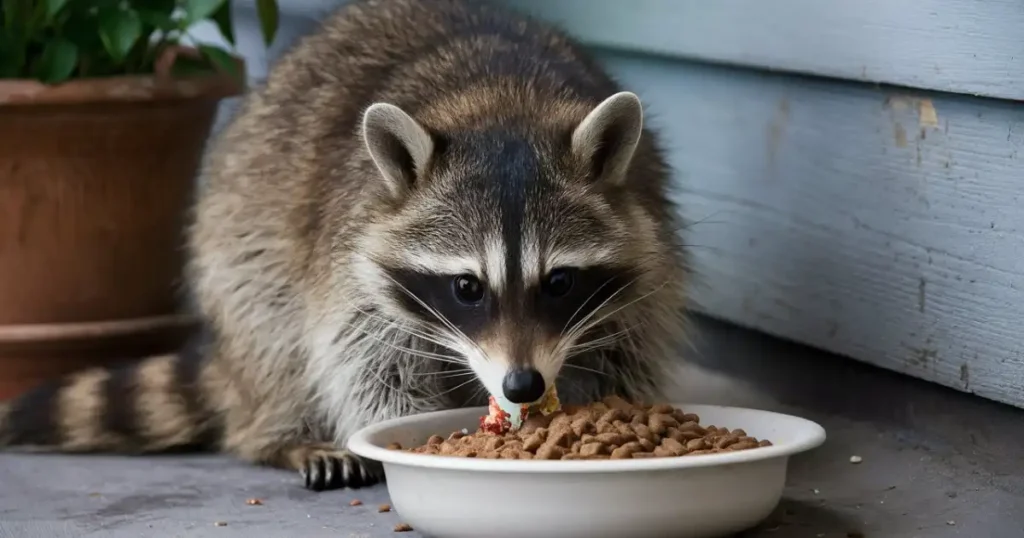
- Raccoons are also omnivorous, with a diet that includes fruits, nuts, insects, small animals, and even human garbage.
- They are solitary and highly adaptable, often thriving in urban environments.
- Raccoons are famous for their problem-solving skills and dexterity, often using their paws to open containers or doors.
Cultural Significance
Tanuki in Japanese Folklore
- The tanuki is a beloved figure in Japanese folklore, often depicted as a mischievous shapeshifter with magical abilities.
- In legends, tanuki can transform into humans, objects, or even other animals, using their powers to play tricks or teach moral lessons.
- Tanuki statues, often seen outside businesses, symbolize good luck, prosperity, and humor, with their large bellies and exaggerated features representing abundance and joy.
Raccoons in Popular Culture
- Raccoons are widely recognized in North American culture as clever and resourceful animals.
- They are often portrayed in media as mischievous yet endearing characters, such as Rocket Raccoon from Marvel’s Guardians of the Galaxy.
- In Japan, where raccoons were introduced, they are sometimes associated with the tanuki in folklore but are also seen as pests due to their invasive nature.
Ecological Roles and Challenges
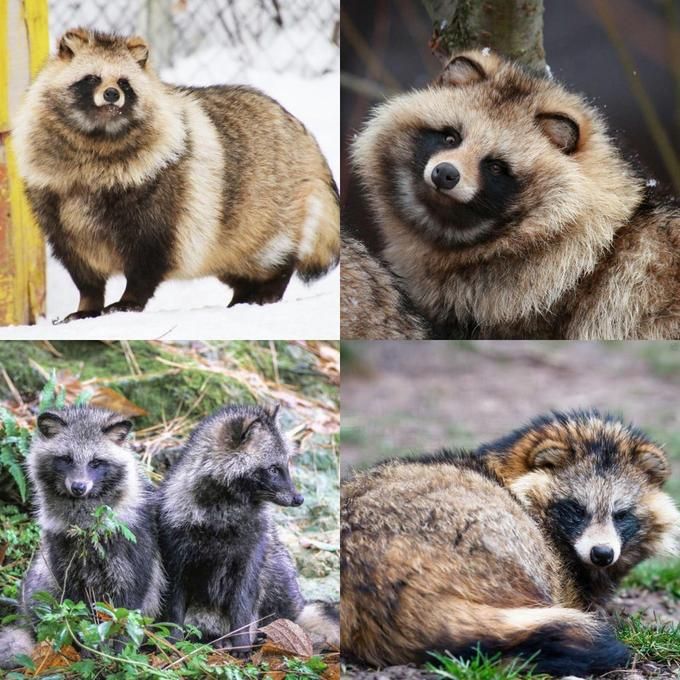
Tanuki
- Tanuki play an important role in their ecosystems as both predators and scavengers.
- In Japan, they are protected and respected, though habitat loss poses a threat to their populations.
Raccoon
- Raccoons are highly adaptable and thrive in a variety of environments, including cities.
- However, their success as an invasive species in places like Japan has led to ecological challenges, including competition with native species like the tanuki.
Conclusion
While the tanuki and raccoon may share some superficial similarities, they are distinct creatures with unique histories, behaviors, and cultural significance. The tanuki, with its roots in Japanese folklore and magical reputation, stands apart from the clever and adaptable raccoon of North America. By understanding these differences, we can appreciate the rich diversity of the animal kingdom and the fascinating roles these creatures play in their respective ecosystems and cultures.
Whether you’re charmed by the tanuki’s mythical tales or the raccoon’s clever antics, both animals remind us of the wonder and complexity of nature.
Leave a Reply