Japan is a safe country, with generally low crime rates. However, it does have a few areas that are considered unsafe.
Japan’s most dangerous neighborhoods typically fall into two categories: red-light districts and slums. Slums are rare but do exist, while red-light districts are more common. However, only the largest and most notorious red-light districts are considered dangerous.
Here are seven neighborhoods in Japan with a bad reputation:
1. Kabukicho, Tokyo
Kabukicho is the largest red-light district in the world. It is home to thousands of restaurants, karaoke bars, clubs, and a wide variety of underworld establishments that attract gangsters and shady individuals in large numbers. It is not uncommon to see riot police casually patrolling the area.
2. Kamagasaki, Osaka
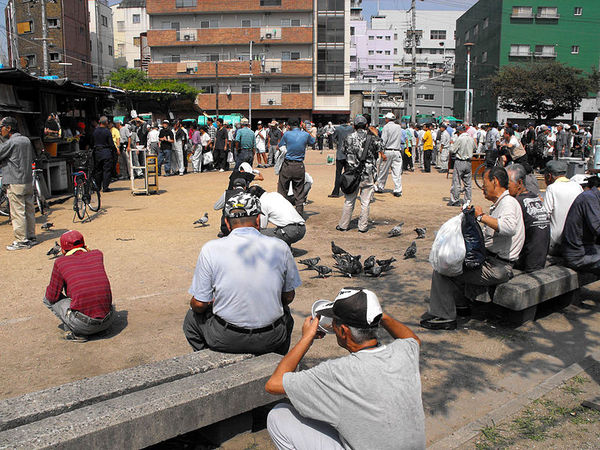
Also known as Airinchiku, Kamagasaki is Japan’s largest slum. It is home to many homeless individuals and day laborers who live in cheap flophouses.
In recent years, young foreign tourists have been drawn to Kamagasaki for its affordable accommodations. However, locals tend to avoid the area, considering it dangerous. The neighborhood has a history of large riots, often protests against police mistreatment, and several organized crime groups have offices there. Police presence is minimal, and minor crimes are rarely enforced.
3. Roppongi, Tokyo
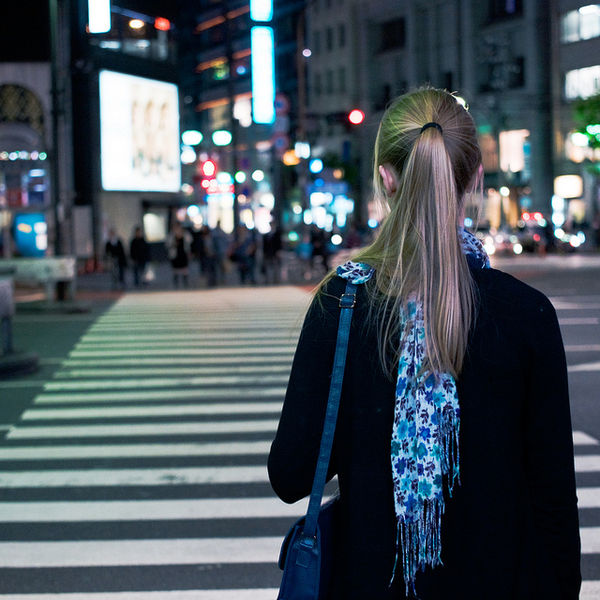
Roppongi is an upscale residential and office district that is also known for its infamous nightlife. While the area is safe during the day, some clubs remain open until noon, making early mornings somewhat sketchy.
Several years ago, the U.S. government issued a travel warning for Roppongi due to safety concerns. While the district is popular among locals and tourists alike, it is not a place to let your guard down, especially if intoxicated. At night, aggressive touts frequently approach tourists, trying to lure them into bars. It is strongly advised never to follow a tout in Roppongi.
4. Shinsekai, Osaka
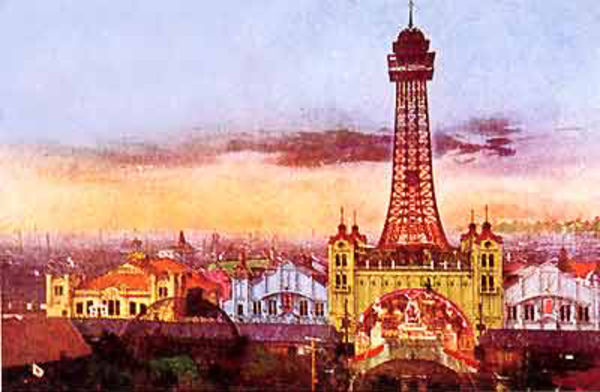
In 1912, Shinsekai was one of Japan’s most modern and cosmopolitan neighborhoods, inspired by the streets of Paris and featuring the ultra-modern Luna Park amusement center.
However, Luna Park suffered a series of suspicious fires and shut down in 1923. Today, Shinsekai retains a carnival-like atmosphere and is a popular tourist attraction with its many affordable restaurants, souvenir shops, and pachinko parlors. Despite its popularity, some Osaka residents still consider it a dangerous area.
5. Susukino, Sapporo
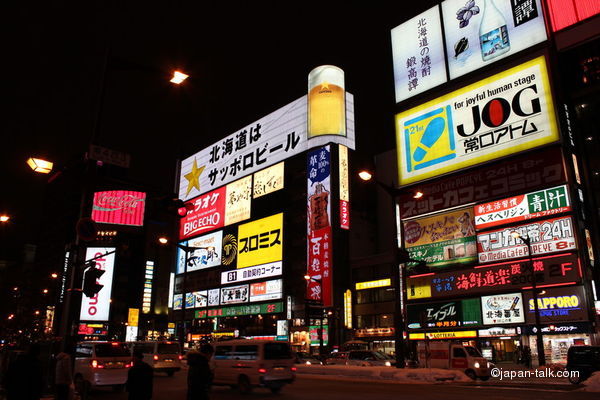
Established in 1871 as a red-light district to attract settlers to northern Japan, Susukino remains the second-largest red-light district in the country. Like any such area, it draws gangsters and a variety of eccentric individuals.
However, Susukino is also home to numerous restaurants, legitimate businesses, and major festivals, including the Sapporo Snow Festival. While there is no reason to avoid the area, visitors should remain aware that it is not the safest place in Japan.
6. Nakasu, Fukuoka
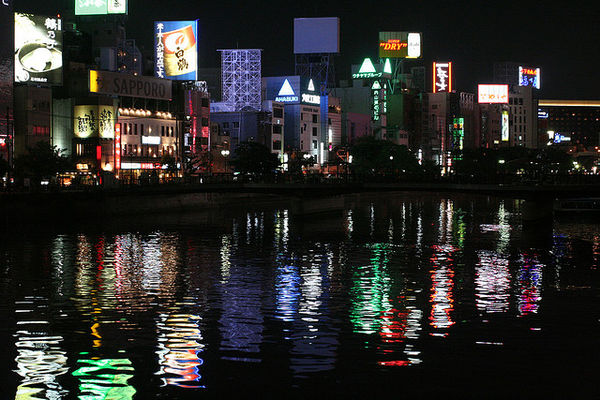
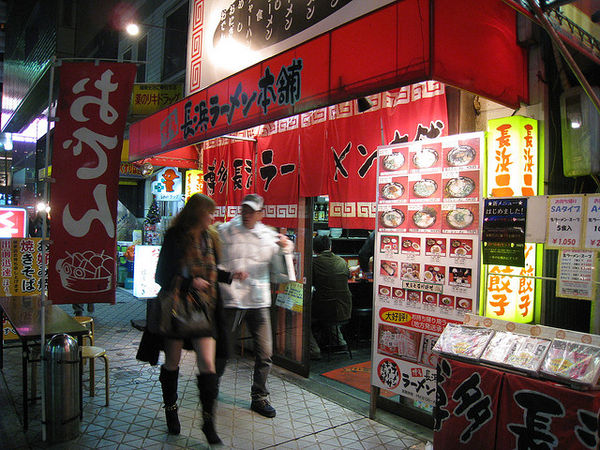
Nakasu is one of Japan’s largest entertainment districts, located between the Naka and Hakata rivers in Fukuoka. Known for its neon-lit streets and lively nightlife, the area is packed with bars, restaurants, and entertainment venues. It is especially famous for its yatai (street food stalls), where visitors can enjoy local specialties like Hakata ramen.
Despite its vibrant atmosphere, Nakasu has a slightly rough edge. Like other entertainment districts, it is home to hostess clubs, nightclubs, and establishments linked to organized crime. While most visitors have a safe experience, occasional reports of overcharging and aggressive touts contribute to its reputation.
7. Ueno, Tokyo
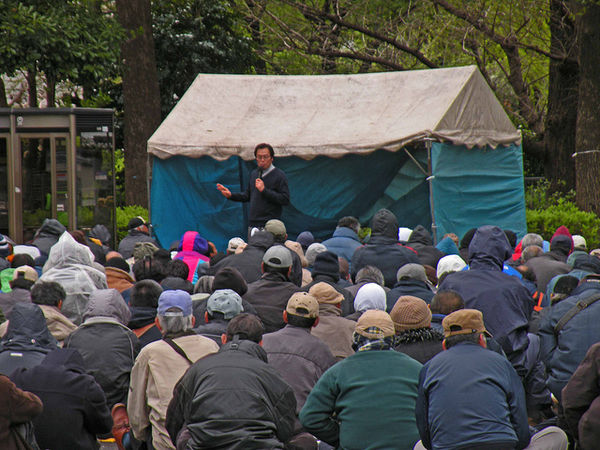
Ueno is home to many of Tokyo’s best attractions, including numerous museums, a large park, and a zoo. However, the park also houses much of Tokyo’s homeless population, and the surrounding areas can feel somewhat seedy.
While there is a noticeable gangster presence, Tokyo residents do not hesitate to visit Ueno during the day. However, they generally do not recommend walking around the area at night.
Leave a Reply