Japan is known for its reverence for animals, and dogs are no exception. Thanks to stories of great loyalty and heroism, many of the native breeds in Japan have been designated as national treasures.
A few Japanese dog breeds, like the Akita and Shiba Inu, have grown popular across the world and can be found fairly easily through breeders in the United States. However, most are rare and only found in Japan. Exporting them is possible but very expensive and difficult. One breed, the Sakhalin Husky, a large sled dog also known as the Karafuto Ken, is nearly extinct. The true story of two Karafutos named Taro and Jiro, who survived alone in the Antarctic for a year, was depicted in the 2006 Disney film “Eight Below.”
To give you a glimpse of Japanese breeds that are available, here are 9 popular breeds:
1) Akita
One of the most well known of the Japanese dog breeds is the Akita. Revered for their loyalty, Akitas, who originated from the country’s north, are considered a national treasure in Japan. The first Akita to be introduced to the United States was a dog named Kamikaze-go, who was given to Helen Keller as a gift after she visited Japan in 1937.
2) Shiba Inu
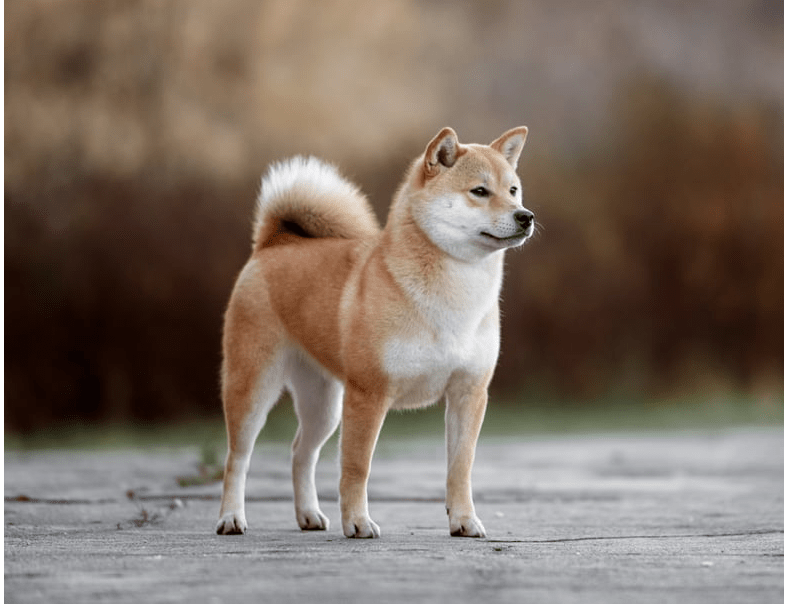 Shiba Inus are a small breed that look similar to Akitas. Considered one of the oldest dog breeds in the world, they were originally raised to hunt. They are independent and strong-willed dogs that require a good amount of training. The unusual scream-like sound they make is called the Shiba scream.
3) Shikoku Inu
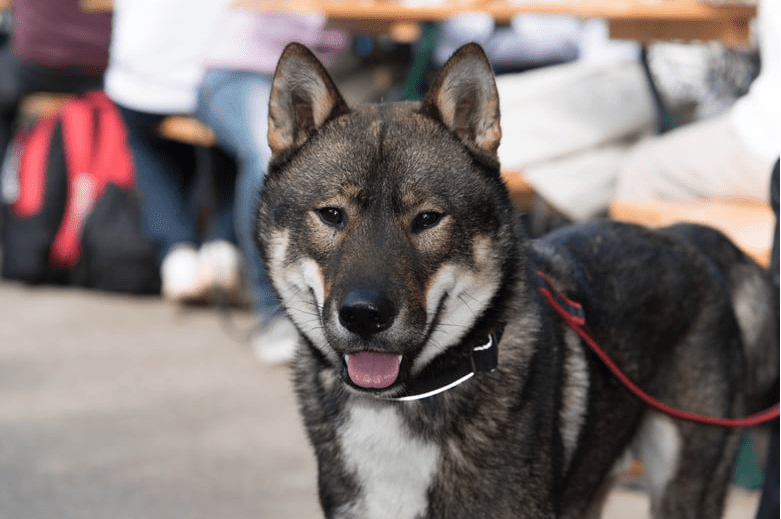 Named for the place it hails from, these dogs originated in the mountainous region of Shikoku island. They are medium-sized dogs with pricked ears and curved tails. Shikokus are smart and incredibly independent. This makes them hard to train. They are very rare, even in Japan.
4) Kai Ken
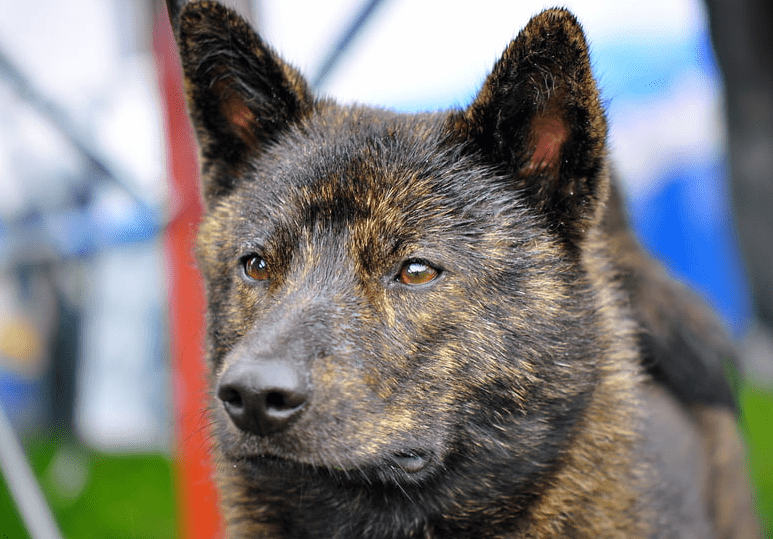 The Kai Ken was originally a wild dog from the province of Kai on Honshu Island. The breed was not introduced to the United States until the 1990s. Less independent than some of the other Japanese dog breeds, the Kai makes a loyal companion. The Kai Ken has two distinct body styles — one is husky with a bear-like face and the other is skinnier with fox-like features.
5) Japanese Terrier
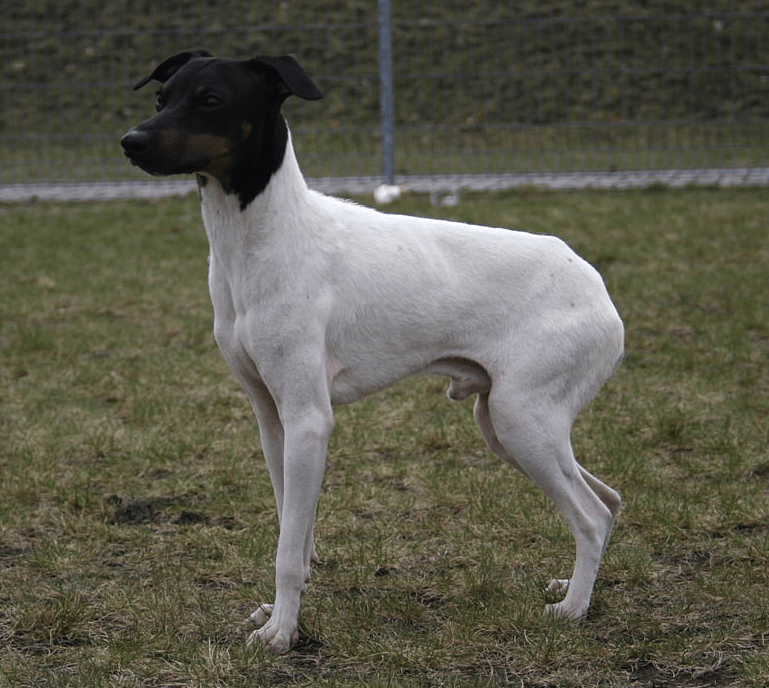 A rare breed, Japanese terriers are descendants from smooth-haired fox terriers that were brought to Japan from the Netherlands in the 17th century. They were bred with native Japanese dogs, resulting in the small, short-haired lapdog known as the Japanese terrier. Like most terriers, they’re playful and energetic.
6) Tosa Inu
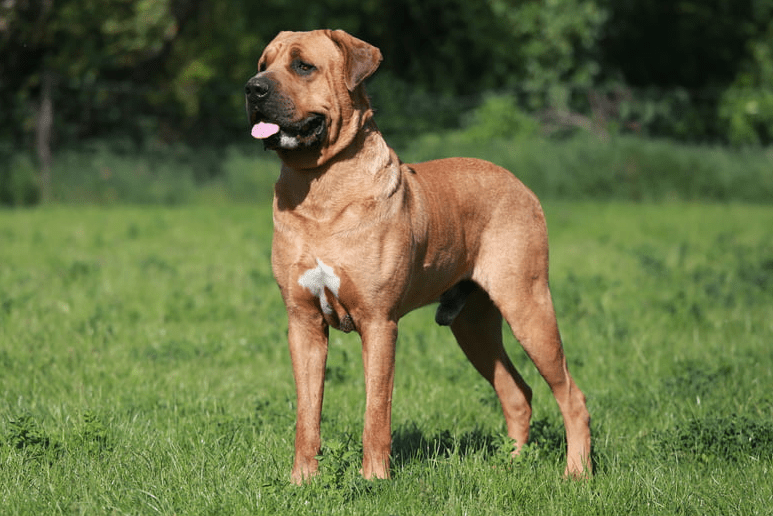 The Tosa, nicknamed the Japanese mastiff, is the largest of the Japanese dog breeds. Originating from Tosa Bay on the island of Shikoku, this working dog is known for its athletic abilities. During World War II, these massive warriors nearly went extinct. Originally bred to fight, the Tosa is very protective and makes a great guard dog.
7) Japanese Spitz
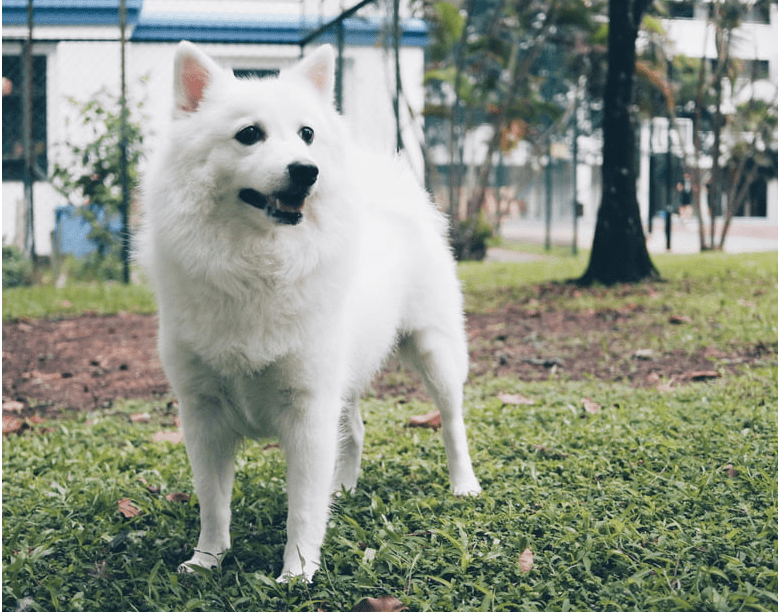 The origin of the Japanese spitz is unclear, although it is commonly thought that it is a descendant from the Siberian Samoyed. They are small dogs, with a long white coat, bred specifically as companions. The Japanese spitz is a family dog who loves human attention and is eager to please.
8) Hokkaido
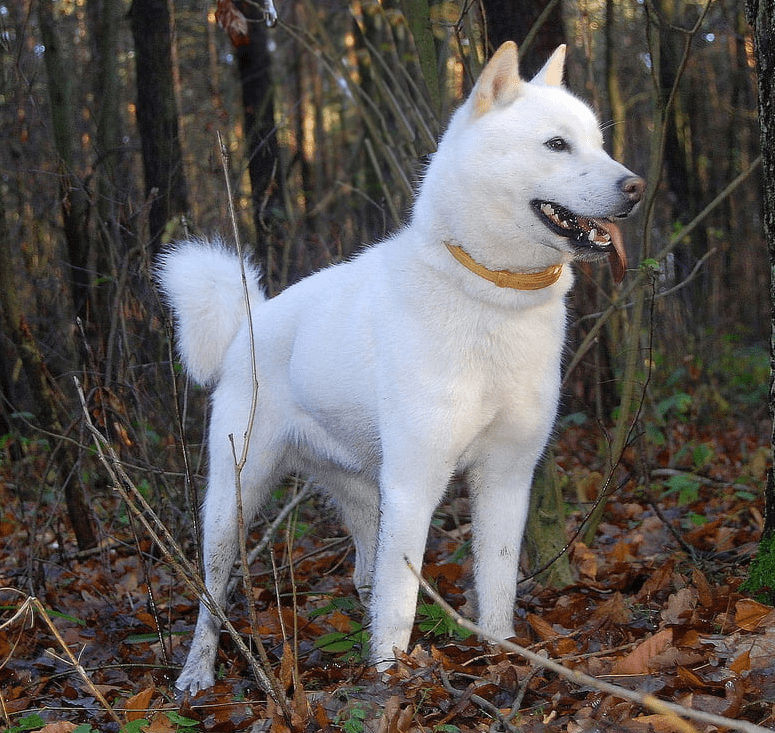 Hokkaido is a rare Japanese dog breed. It is not recognized by the American Kennel Club and hardly ever seen outside of Japan. These dogs are said to be named for an ancient tribe that introduced the breed’s ancestors to Japan. Hokkaido is a medium-sized dog known for being physically strong and intelligent.
9) Kishu Ken
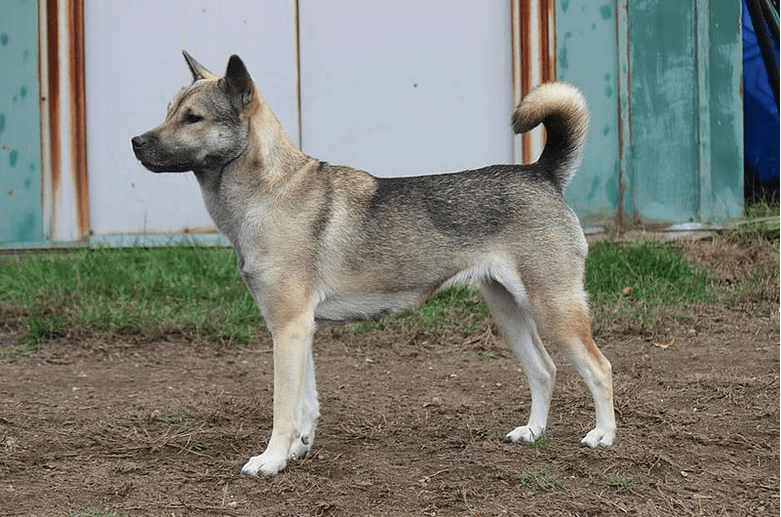 Named for the Kishu region where it was first bred, the Kishu is medium-sized and a quiet dog. Kishus have been around for thousands of years and were originally used for hunting. Headstrong but loyal, Kishus need good training and can be shy. In 1934, the Kishu was designated as a living “Memorial of Nature” in Japan.
Leave a Reply